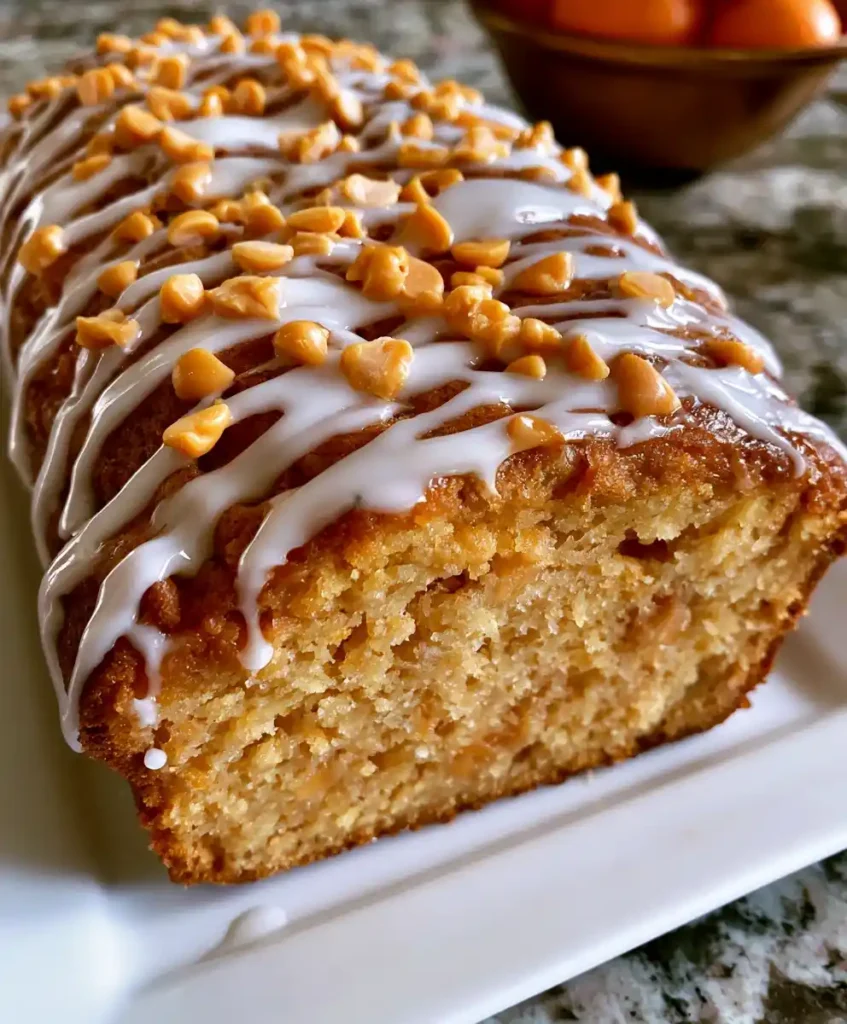
Craving something sweet, buttery, and ridiculously easy to make? Butterscotch Bread might just be your new obsession. I stumbled onto this recipe on a rainy Sunday when I wanted dessert but zero effort, and honestly, it changed my baking game forever.
This loaf smells like a hug feels. IMO, that’s reason enough to bake it tonight.
Servings: 10 slices Prep time: 15 minutes Bake time: 55 minutes Total time: About 1 hour 10 minutes
Why Butterscotch Bread Deserves a Spot in Your Kitchen
Have you ever needed a dessert that tastes fancy but takes zero fancy skills? That’s this bread. It’s moist, rich, and just sweet enough without going overboard.
I’ve made plenty of quick breads that turn out dry and sad. This one doesn’t. The butterscotch pudding mix keeps every bite tender, so you skip the disappointment entirely.
It works for breakfast, dessert, or a 3 p.m. snack attack. Nobody’s judging you for eating cake at breakfast here.
What You Need: Butterscotch Bread Ingredients
Here’s everything you’ll need. Nothing exotic, nothing you can’t grab at a regular grocery run.
For the bread:
- 1 box (3.4 oz) instant butterscotch pudding mix
- 2 cups all-purpose flour
- 1 teaspoon baking powder
- 1/2 teaspoon baking soda
- 1/2 teaspoon salt
- 3/4 cup granulated sugar
- 1/2 cup unsalted butter, softened
- 2 large eggs
- 1 teaspoon vanilla extract
- 1/2 cup milk
- 1/2 cup sour cream
For the glaze:
- 1 cup powdered sugar
- 2 to 3 tablespoons milk
- 1/2 teaspoon vanilla extract
Optional add-in:
- 1/2 cup butterscotch chips
Swap the sour cream for Greek yogurt if that’s what’s in your fridge. Both give you that same moist crumb, so don’t stress over it.
Let’s Bake: How to Make Butterscotch Bread
I’m going to walk you through every single step in plain language. No baking jargon, no confusing shortcuts, just a clear path from bowl to loaf.
Step 1: Get Your Oven and Pan Ready
Set your oven to 350°F and let it fully heat up before anything else happens. A properly preheated oven means your bread rises the way it’s supposed to, instead of spreading flat and sad.
While that’s happening, grease a 9×5-inch loaf pan with butter or nonstick spray. Adding a strip of parchment paper across the bottom makes lifting the finished loaf out so much easier later. Trust me on this one.
Step 2: Whisk the Dry Ingredients Together
Grab a medium mixing bowl and add your flour, butterscotch pudding mix, baking powder, baking soda, and salt. Whisk everything together until it looks evenly blended, with no streaks of one ingredient sitting on top of another.
This step matters more than people think. Evenly distributed leavening agents mean your bread rises consistently instead of forming weird lumps or dense pockets in random spots.
Step 3: Cream the Butter and Sugar
In a separate large bowl, beat your softened butter and granulated sugar together using a hand mixer or stand mixer. Keep beating for a solid two to three minutes, until the mixture turns pale and fluffy looking.
Why bother with all that beating? You’re working air into the batter here, and that air is exactly what gives your finished bread a light, tender texture instead of something heavy and brick-like.
Step 4: Add Eggs and Vanilla, One at a Time
Crack in one egg, beat it in completely, then add the second egg and repeat. Adding eggs individually helps them blend smoothly into the fat instead of curdling the mixture.
Pour in your vanilla extract next and give everything one more quick mix. Your kitchen should already start smelling incredible at this point.
Step 5: Combine Everything Into One Batter
Now comes the part where patience pays off. Add about a third of your dry ingredient mixture into the butter mixture, then pour in a splash of milk and sour cream, alternating back and forth.
Keep mixing gently until you’ve added everything, stirring only until the flour disappears into the batter. Overmixing at this stage is what turns a soft, tender bread into a chewy, tough one, so stop as soon as it looks combined.
Fold in your butterscotch chips now if you’re using them. This is entirely optional, but IMO, skipping them is basically a crime.
Step 6: Pour and Bake
Scrape the batter into your prepared loaf pan and smooth the top with a spatula so it bakes evenly. Slide it into your preheated oven and bake for 50 to 60 minutes.
Start checking around the 50-minute mark by inserting a toothpick into the center. If it comes out clean or with just a few moist crumbs, your bread is officially done.
Step 7: Cool, Then Glaze
Let the loaf rest in its pan for about 10 minutes before removing it. This short resting period keeps the bread from falling apart when you transfer it to a wire rack.
Once it’s fully cooled, whisk together your powdered sugar, milk, and vanilla for the glaze. Drizzle it generously over the top and let it set for a few minutes before slicing in.
Tips That Actually Make a Difference
A few small habits separate an average loaf from a genuinely great one. None of these take extra time, so there’s no excuse to skip them.
- Use room temperature butter and eggs for smoother, faster mixing
- Stop mixing the second the batter looks combined, not a beat longer
- Start checking doneness five minutes early to avoid a dry, overbaked loaf
- Let the bread cool completely before glazing, or your glaze turns into a puddle
- Store extra butterscotch chips in the freezer so they’re always ready for your next bake
Fun Ways to Switch Up Your Butterscotch Bread
Once you’ve nailed the base recipe, feel free to make it your own. Have you ever wondered how a handful of walnuts changes an entire loaf? Try it and find out.
- Add chopped walnuts or pecans for crunch and a nuttier flavor
- Stir in dried cranberries for a tart contrast against the sweet butterscotch
- Sprinkle in a pinch of cinnamon or nutmeg for extra warmth
- Swap regular flour for a gluten-free blend if you’re baking for dietary needs
- Replace the eggs with flax eggs and use plant-based butter for a vegan version
How to Serve Butterscotch Bread
This bread works in more situations than you’d expect. It’s not just an after-dinner thing.
- Serve slightly warm with a scoop of vanilla ice cream on top
- Pair it with black coffee to balance out all that sweetness
- Add a smear of cream cheese for a breakfast-style twist
- Top with fresh berries for a lighter, fruitier bite
Storing and Freezing Your Loaf
Keep leftover bread wrapped tightly at room temperature, and it stays fresh for up to three days. Skip the fridge here, since cold air actually dries baked goods out faster.
Want to save it longer? Wrap the cooled loaf in plastic, then foil, and freeze it for up to three months. Thaw it on the counter, or warm individual slices in the oven when a craving hits.
FAQs About Butterscotch Bread
Can I make this bread without a loaf pan? Yes, a similarly sized baking dish works fine, though your bake time may shift slightly depending on the shape and depth of the pan you use.
Why did my bread turn out dense instead of fluffy? This usually happens from overmixing the batter or using cold butter and eggs. Mix only until combined, and always start with room temperature ingredients.
Can I skip the glaze? Absolutely. The bread tastes great on its own, so the glaze is really just a bonus layer of sweetness, not a requirement.
Is butterscotch pudding mix the same as butterscotch chips? No, they’re different products entirely. The pudding mix adds flavor and moisture directly into the batter, while chips are solid pieces that melt slightly while baking.
Can I double this recipe? Yes, just use two loaf pans instead of trying to cram everything into one. Baking one giant loaf usually leaves the center undercooked while the edges overbake.
Final Thoughts on Butterscotch Bread
Butterscotch Bread isn’t complicated, and that’s exactly the point. You get a rich, moist, genuinely impressive loaf without spending your entire afternoon in the kitchen.
Give it a try this weekend, and don’t be surprised when everyone asks for the recipe. Just maybe don’t tell them how easy it actually was
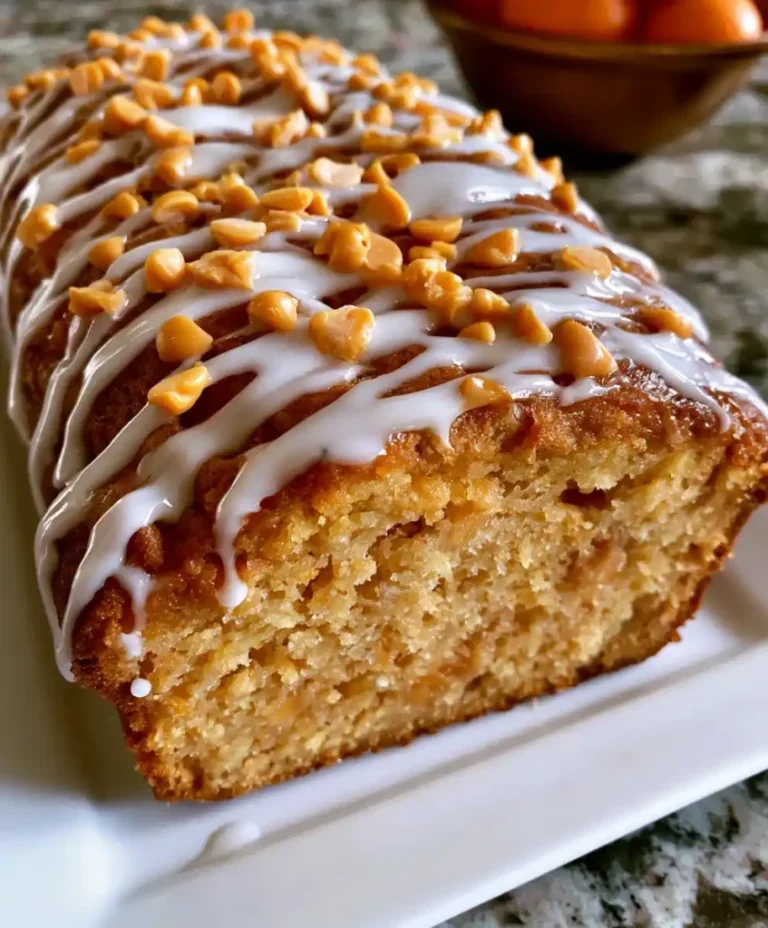
Butterscotch Bread
Ingredients
Method
- Preheat your oven to 350°F (175°C) and grease a 9x5-inch loaf pan.
- In a medium bowl, whisk together flour, butterscotch pudding mix, baking powder, baking soda, and salt until evenly blended.
- In a large bowl, cream together the softened butter and granulated sugar using a mixer for 2-3 minutes until pale and fluffy.
- Add the eggs one at a time, mixing thoroughly after each addition. Then mix in the vanilla extract.
- Gradually add a third of the dry ingredients to the wet mixture, alternating with milk and sour cream, stirring gently until just combined. Fold in butterscotch chips if using.
- Pour the batter into the prepared loaf pan and smooth the top with a spatula.
- Bake in the preheated oven for 50-60 minutes, checking around 50 minutes with a toothpick.
- Cool the loaf in the pan for 10 minutes before transferring to a wire rack.
- Once cooled, whisk together the powdered sugar, milk, and vanilla for the glaze, then drizzle over the loaf.