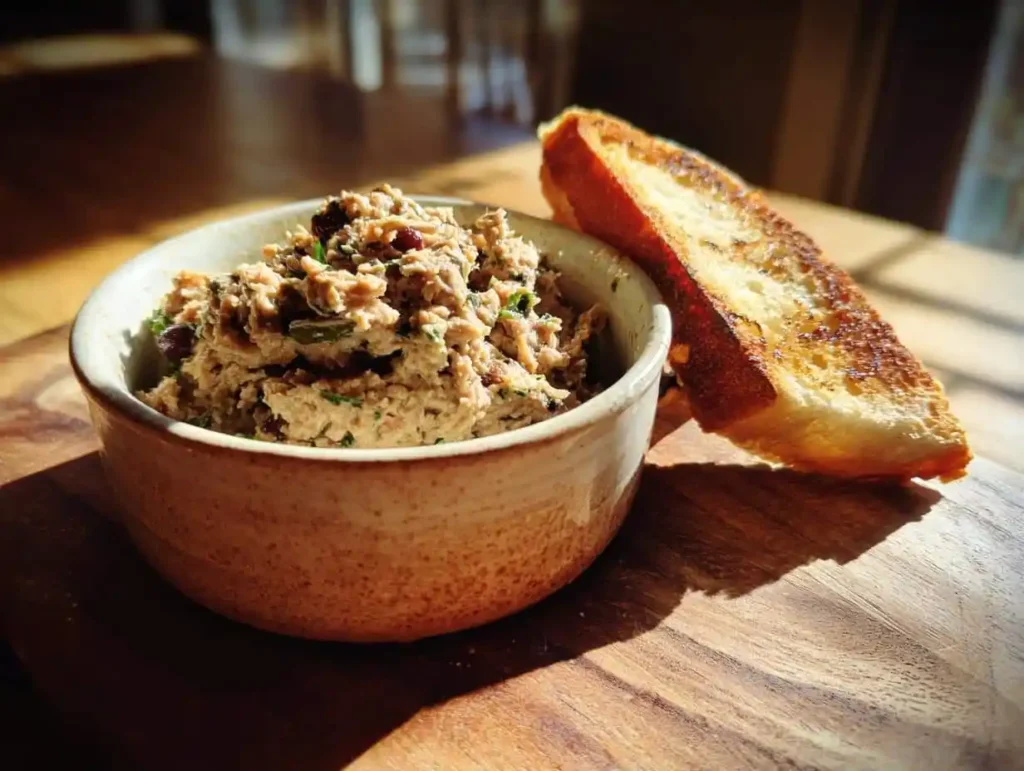
Some appetizers demand hours in the kitchen. Sardine Tapenade demands ten minutes and a can opener, yet still tastes like something you’d pay real money for at a coastal café.
I first tried this spread during a trip along the French coast, sitting at a tiny café table with crusty bread and a glass of white wine. One bite convinced me I needed this recipe in my regular rotation, no fancy occasion required.
Servings: 6 people (about 1 1/2 cups) | Prep time: 10 minutes | Cook time: none | Total time: 10 minutes
Why Sardine Tapenade Deserves a Spot in Your Recipe Box
Have you ever wanted something impressive without turning on the stove? This spread delivers big, briny flavor with zero cooking involved. That combination alone makes it worth keeping in your back pocket for last-minute entertaining.
I’ve served this at casual dinner parties, quiet weeknight snacking sessions, and one memorable picnic where someone asked if I’d bought it from a specialty shop. That reaction tells you everything about how sophisticated this simple mix actually tastes.
Here’s the honest truth: plenty of people avoid sardines entirely because they assume they’ll taste overly fishy. This recipe balances that brininess with garlic, capers, and lemon so well that even skeptics usually ask for seconds.
What You’ll Need for Sardine Tapenade
Gather these ingredients before you start mashing. Quality matters more here than in most recipes, since so few ingredients means each one needs to genuinely earn its place.
- 1 can sardines (4.4 ounces), drained
- 1/2 cup pitted Kalamata olives
- 2 tablespoons capers, drained
- 2 garlic cloves, minced
- 3 tablespoons extra virgin olive oil
- 1 tablespoon fresh lemon juice
- 1/4 teaspoon freshly cracked black pepper
- 1 tablespoon fresh parsley, chopped
FYI, oil-packed sardines give you a richer, more luxurious final texture compared to the water-packed variety. Either works fine, but that small choice does shift the overall result.
How to Make Sardine Tapenade
This process breaks into three simple stages. None of them require any cooking whatsoever, so let’s slow down and walk through each step to guarantee the best possible texture and flavor balance.
Step 1: Break Down the Sardines
Drain your sardines thoroughly and place them into a medium mixing bowl. Using a fork, mash them gently, working in small strokes rather than aggressive mashing. You want a rustic, slightly chunky texture here, not a smooth paste.
Leaving some texture matters because it gives the finished tapenade more bite and character. Overmashing turns everything into a uniform paste that loses the pleasant contrast between the sardines and the chopped olives and capers you’ll add next.
Step 2: Chop and Combine the Briny Elements
Finely chop your Kalamata olives and capers, keeping the pieces slightly coarse rather than reducing them to fine crumbs. Add both directly into the bowl with your mashed sardines and stir gently to distribute everything evenly.
Add the minced garlic at this stage as well, folding it through the mixture rather than stirring vigorously. Garlic distributes its flavor quickly, so a gentle fold ensures every bite gets that punch without one section tasting overwhelmingly garlicky.
Step 3: Brighten With Oil, Lemon, and Seasoning
Drizzle the olive oil and fresh lemon juice into the bowl, adding both together so the acid brightens the mixture right away instead of sitting on top. Sprinkle in the cracked black pepper and chopped parsley, then fold everything together gently one final time.
Taste the mixture immediately and adjust as needed. If it tastes too briny or intense, add a touch more olive oil to mellow things out. If it feels flat, another small squeeze of lemon usually solves that problem quickly.
Step 4: Rest Before Serving
Cover the bowl and let the tapenade sit at room temperature for about ten minutes before serving. This short rest allows the garlic and lemon to fully settle into the mixture, deepening the overall flavor noticeably compared to eating it immediately.
Give the mixture one final gentle stir right before plating, then transfer it into a serving bowl. Serve it alongside crusty bread, crackers, or vegetables while the flavors are at their brightest and most balanced.
Tips for the Best Sardine Tapenade
A handful of small choices separate a decent batch from a genuinely memorable one. I picked these up through plenty of trial runs at home.
- Splurge on good olive oil, since a cheap, flavorless oil flattens the entire dish and wastes the effort you put into the other ingredients.
- Use fresh garlic only, since jarred minced garlic carries a harsher, less rounded flavor that doesn’t blend as smoothly.
- Taste before adding extra salt, since sardines, olives, and capers already bring plenty of natural saltiness to the mixture.
- Let it rest fully before serving, because rushing this step leaves the flavors tasting disjointed instead of unified.
Fun Variations Worth Trying
Once you’ve mastered the classic version, feel free to experiment. This tapenade adapts easily without losing what makes it special in the first place.
Add a teaspoon of Dijon mustard for a sharper, tangier finish that pairs beautifully with crackers. Swap the parsley for fresh basil if you want a slightly sweeter, more aromatic direction. A pinch of red pepper flakes adds gentle heat for anyone who likes a little kick in their spreads.
Serving Suggestions
This spread shines brightest on toasted baguette slices, especially if you rub the warm toast with a cut garlic clove first. Water crackers or seeded crisps work beautifully too, particularly alongside cornichons and thin radish slices for color and crunch.
For something different, spread a spoonful over hard-boiled eggs for a protein-packed snack. You can also thin it slightly with extra olive oil and lemon juice to use as a bold salad dressing over tomatoes and cucumbers.
Storing Leftovers
Store any leftover tapenade in an airtight container in the fridge for up to three days. The flavor actually deepens overnight as the garlic and lemon continue mingling, so leftovers often taste even better the next day.
Frequently Asked Questions
Can I make Sardine Tapenade ahead of time? Yes, and it’s actually recommended. Prepare it up to a day in advance and store it covered in the fridge. The flavors meld and deepen with time, making next-day tapenade genuinely excellent.
What can I substitute for sardines if I don’t like them? Canned anchovies work as a stronger, saltier substitute, while canned tuna offers a milder alternative if you want to ease into this style of spread. Adjust the salt accordingly since each option varies.
Is Sardine Tapenade healthy? It brings genuine nutritional value, packing plenty of protein and omega-3 fatty acids from the sardines themselves. Just watch portion sizes since olives and olive oil add up in calories fairly quickly.
How long does homemade tapenade last in the fridge? Stored in an airtight container, it stays fresh for about three days. The olive oil can solidify slightly when chilled, so let it sit at room temperature for a few minutes before serving again.
Can I freeze sardine tapenade? Freezing isn’t recommended, since the texture of the olives and sardines turns mushy and unpleasant after thawing. This recipe comes together so quickly that making a fresh batch is honestly the better option.
Final Thoughts on Sardine Tapenade
This spread earns its spot on my table whenever I want something impressive without much effort, and I think it deserves a spot on yours too. The combination of briny sardines, sharp capers, and bright lemon creates something far more complex than the short ingredient list suggests.
Give it a try this week, even if it’s just for a quiet solo snack with crackers and a glass of wine. Trust me, you’ll be scraping the bowl clean and already planning your next batch before you finish the first one
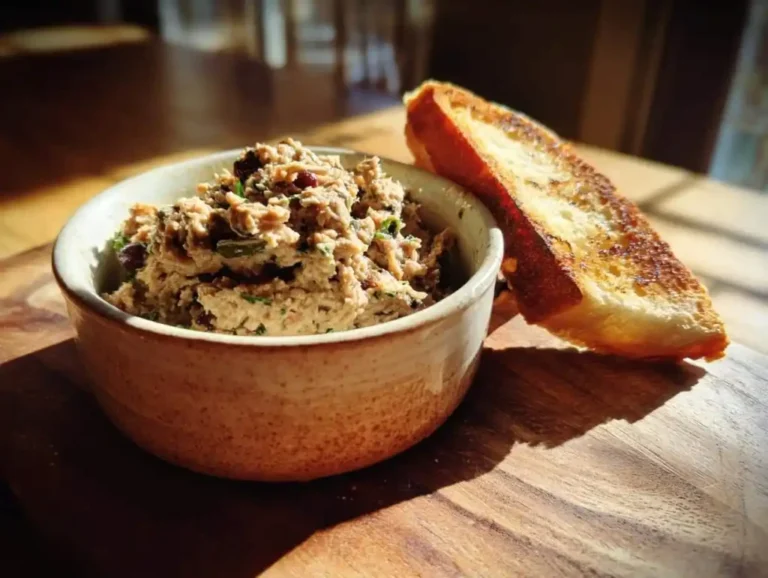
Sardine Tapenade
Ingredients
Method
- Drain the sardines thoroughly and place them into a medium mixing bowl. Mash them gently with a fork for a rustic, slightly chunky texture.
- Finely chop the Kalamata olives and capers, and add them to the bowl with the mashed sardines. Stir gently.
- Add the minced garlic and fold it into the mixture gently.
- Drizzle in the olive oil and fresh lemon juice, then sprinkle in the cracked black pepper and chopped parsley. Fold together gently until well combined.
- Let the tapenade sit at room temperature for about ten minutes before serving to allow flavors to meld.
- Give the mixture a final gentle stir before transferring to a serving bowl and enjoy with crusty bread, crackers, or vegetables.