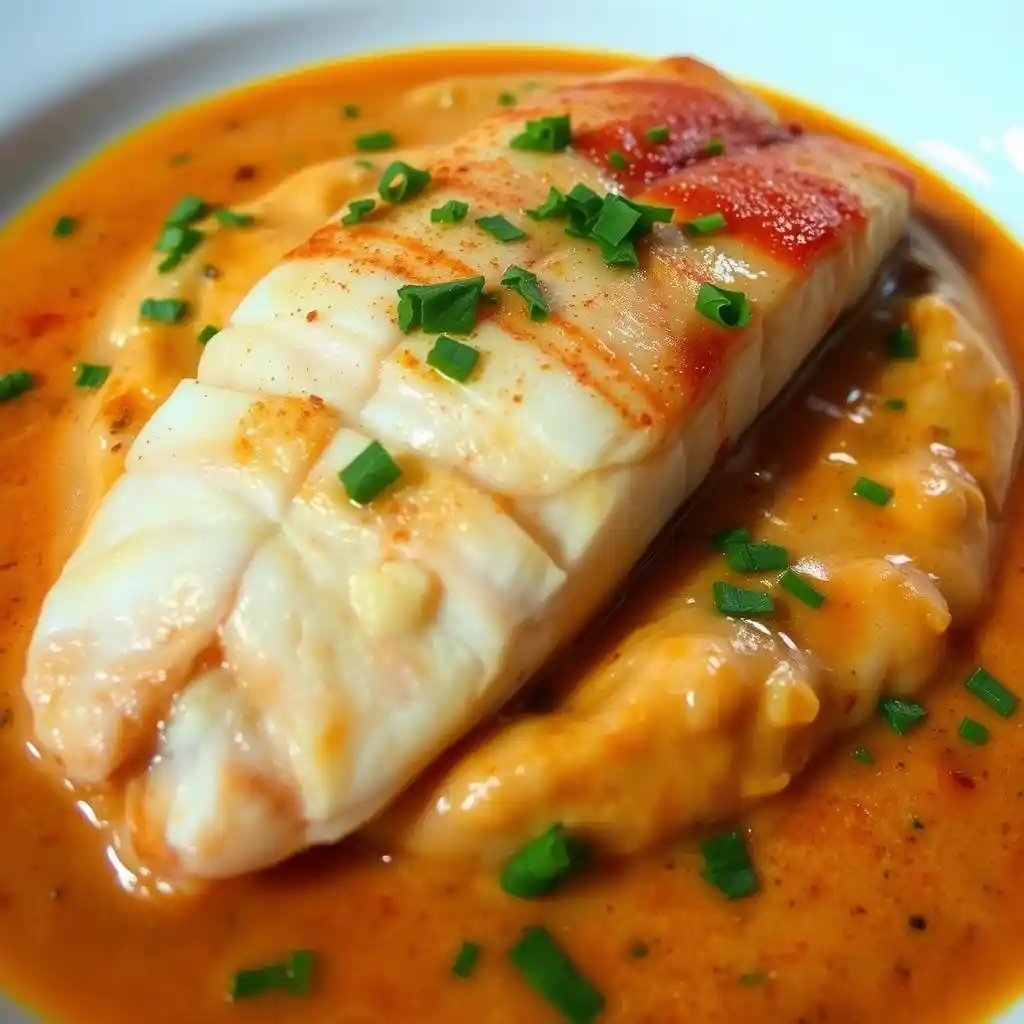
Flaky red snapper swimming in a rich, spicy, creamy Creole sauce—does dinner get more satisfying than that? This dish tastes like it came straight from a New Orleans kitchen, but it’s easier than you think.
I fell for this combo the first time I made it, mostly because I couldn’t believe how much flavor came from one skillet. Have you ever cooked something so good you questioned why you ever order takeout? This recipe does that.
Why Red Snapper And Creole Sauce Belong Together
Red snapper has a mild, slightly sweet flavor and firm texture, which makes it the perfect canvas for bold seasoning. Creole sauce, on the other hand, brings smoky, spicy, savory depth that most fish can’t handle without falling apart.
Snapper holds its own. The firm flesh stands up to the sauce instead of getting lost in it, so every bite delivers both fish and flavor.
Have you ever eaten a seafood dish where the sauce completely overpowers the fish? That’s not happening here.
What You’ll Need
Here’s your ingredient list, organized so grocery shopping doesn’t turn into a scavenger hunt.
Now For the fish:
- Red snapper fillets – 4 fillets, about 6 ounces each
- Salt and black pepper – to taste
- Creole seasoning – 1 tablespoon
- Olive oil – 2 tablespoons
Now For the creamy Creole sauce:
- Butter – 2 tablespoons
- Garlic – 4 cloves, minced
- Yellow onion – ½ cup, diced
- Red bell pepper – ½ cup, diced
- Diced tomatoes – 1 cup (canned works fine)
- Chicken broth – ½ cup
- Heavy cream – ¾ cup
- Smoked paprika – ½ teaspoon
- Cayenne pepper – ¼ teaspoon
- Salt and black pepper – to taste
For garnish:
- Fresh parsley, chopped
- Green onions, sliced
- Lemon wedges
Simple ingredients, big payoff. IMO, that’s the whole point of a good weeknight recipe.
Tools That Make This Easier
You don’t need fancy gear, but a few tools genuinely help.
- A large skillet for searing the fish
- A separate saucepan for building the sauce
- A fish spatula for flipping fillets without breaking them
- A sharp knife for dicing vegetables evenly
- Measuring spoons for the seasoning blend
A fish spatula sounds unnecessary until you try flipping delicate fillets with a regular one. Trust me on this 🙂
Preparing The Red Snapper
Pat each fillet completely dry with paper towels. Moisture is the enemy of a good sear, and dry fish gives you that golden, crispy exterior everyone wants.
Season both sides generously with salt, pepper, and Creole seasoning. Don’t be shy here—the seasoning is what gives this dish its signature Gulf Coast personality.
Let the seasoned fillets sit at room temperature for about 10 minutes while you start the sauce. This short rest helps the seasoning really sink into the flesh instead of just sitting on the surface.
Building The Creamy Creole Sauce
Melt the butter in a saucepan over medium heat. Add the diced onion and bell pepper, and cook for about 4 minutes until they soften and turn slightly translucent.
Stir in the minced garlic and cook for another minute, just until it turns fragrant. Garlic burns fast, so keep stirring and don’t let it sit still too long.
Add the diced tomatoes, chicken broth, smoked paprika, and cayenne pepper. Let this simmer for 5 minutes so the flavors have time to combine into something rich and slightly thick.
Lower the heat and slowly stir in the heavy cream. Simmer gently for another 5 minutes, stirring occasionally, until the sauce turns smooth and creamy without any separation.
Taste it before moving forward. Want more heat? Add extra cayenne. Prefer it milder? Ease back on the spice and let the cream mellow things out.
Cooking The Red Snapper
Heat olive oil in your skillet over medium-high heat until it shimmers. Lay the seasoned fillets in skin-side down first, and let them cook undisturbed for about 4 minutes.
Resist the urge to move the fish around. Moving it too soon tears the delicate flesh and ruins that crispy crust you worked for.
Flip carefully with your fish spatula and cook another 3 to 4 minutes, depending on thickness. The fillets are done once they turn opaque and flake easily with a fork.
Remove the fish from the skillet and let it rest for 2 minutes. This short pause locks in moisture, so your snapper stays juicy instead of drying out.
Bringing It All Together
Spoon the warm Creole sauce generously over each rested fillet. Let the sauce pool slightly around the fish instead of just sitting on top, since that’s where all the flavor lives.
Sprinkle chopped parsley and sliced green onions over everything for color and freshness. Add a lemon wedge on the side for anyone who wants a bright, acidic finish.
Serve immediately while the fish is warm and the sauce is glossy. This dish is best enjoyed fresh off the stove, not reheated an hour later.
What To Serve With It
Red snapper in creamy Creole sauce pairs beautifully with sides that soak up extra sauce.
- White rice, for classic Gulf Coast simplicity
- Creamy grits, which practically beg for that Creole sauce
- Cornbread, perfect for mopping up every last drop
- Roasted green beans or asparagus, for something lighter
Pick whichever side matches your mood. Rice keeps it classic, grits keep it Southern, and green beans keep it light.
Storage And Reheating
Leftovers are worth saving if you store them the right way.
- Refrigerate fish and sauce together in an airtight container
- Eat within 2 days for the best flavor and texture
- Reheat gently in a covered skillet over low heat
- Avoid the microwave on high power—it toughens the fish fast
A splash of cream or broth while reheating brings the sauce back to its original silky texture.
Frequently Asked Questions
How long does red snapper in creamy Creole sauce take to make? About 35 minutes total. The sauce takes roughly 15 minutes to build, and the fish cooks in under 10 minutes.
Can I use a different fish instead of red snapper? Yes, firm white fish like grouper, halibut, or mahi-mahi all work well. Just adjust cooking time based on thickness.
How spicy is this dish? It’s moderately spicy with a quarter teaspoon of cayenne, but you control the heat completely. Add more for a kick or less for a milder version.
Can I make the sauce ahead of time? Absolutely. Make the Creole sauce up to a day ahead and reheat gently while you cook the fish fresh.
Is this recipe gluten-free? Yes, as written it contains no flour or gluten-based thickeners. Just double-check your Creole seasoning blend for hidden additives.
What wine pairs well with this dish? A crisp Sauvignon Blanc or Sancerre cuts through the richness nicely. If you prefer red, a light Pinot Noir also works.
Can I make this dish dairy-free? Swap the heavy cream for full-fat coconut milk. It adds richness without dairy, though the flavor turns slightly sweeter.
Final Thoughts
Red snapper in creamy Creole sauce brings Gulf Coast flavor to your table without requiring a trip to New Orleans. Crispy seared fish, a rich spiced sauce, and 35 minutes of effort get you there.
Make it once, and it earns a permanent spot in your seafood rotation. Grab a fork, and let this one speak for itself.
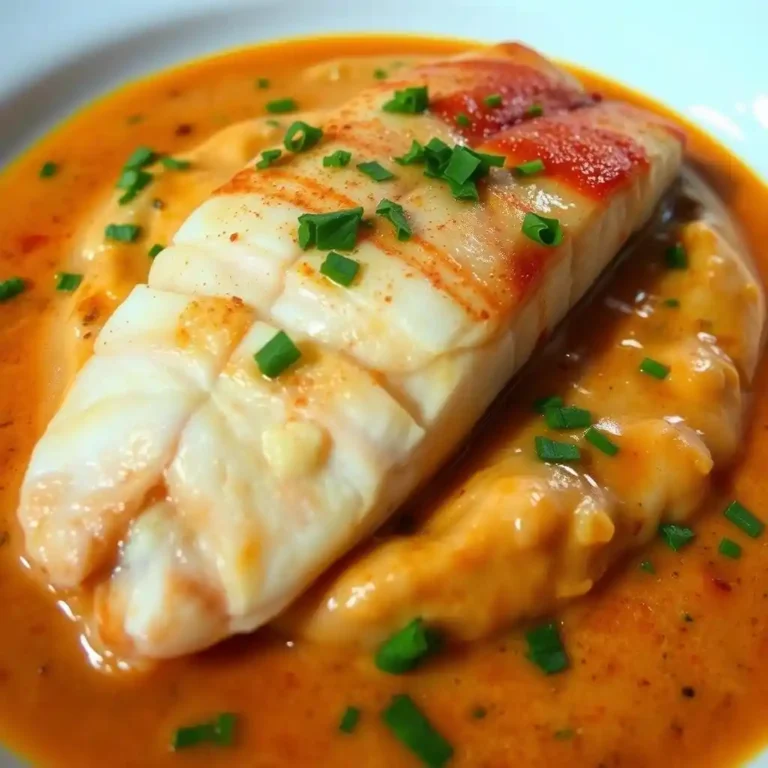
Red Snapper in Creamy Creole Sauce
Ingredients
Method
- Pat each fillet completely dry with paper towels.
- Season both sides generously with salt, pepper, and Creole seasoning.
- Let the seasoned fillets sit at room temperature for about 10 minutes.
- Melt the butter in a saucepan over medium heat.
- Add the diced onion and bell pepper, and cook for about 4 minutes until they soften.
- Stir in the minced garlic and cook for another minute until fragrant.
- Add the diced tomatoes, chicken broth, smoked paprika, and cayenne pepper and let simmer for 5 minutes.
- Lower the heat and slowly stir in the heavy cream, simmer gently for another 5 minutes.
- Taste and adjust seasoning as desired.
- Heat olive oil in your skillet over medium-high heat.
- Lay the seasoned fillets in skin-side down first, and let them cook undisturbed for about 4 minutes.
- Flip carefully with your fish spatula and cook another 3 to 4 minutes.
- Remove the fish from the skillet and let it rest for 2 minutes.
- Spoon the warm Creole sauce generously over each rested fillet.
- Sprinkle chopped parsley and sliced green onions on top.
- Add a lemon wedge on the side.