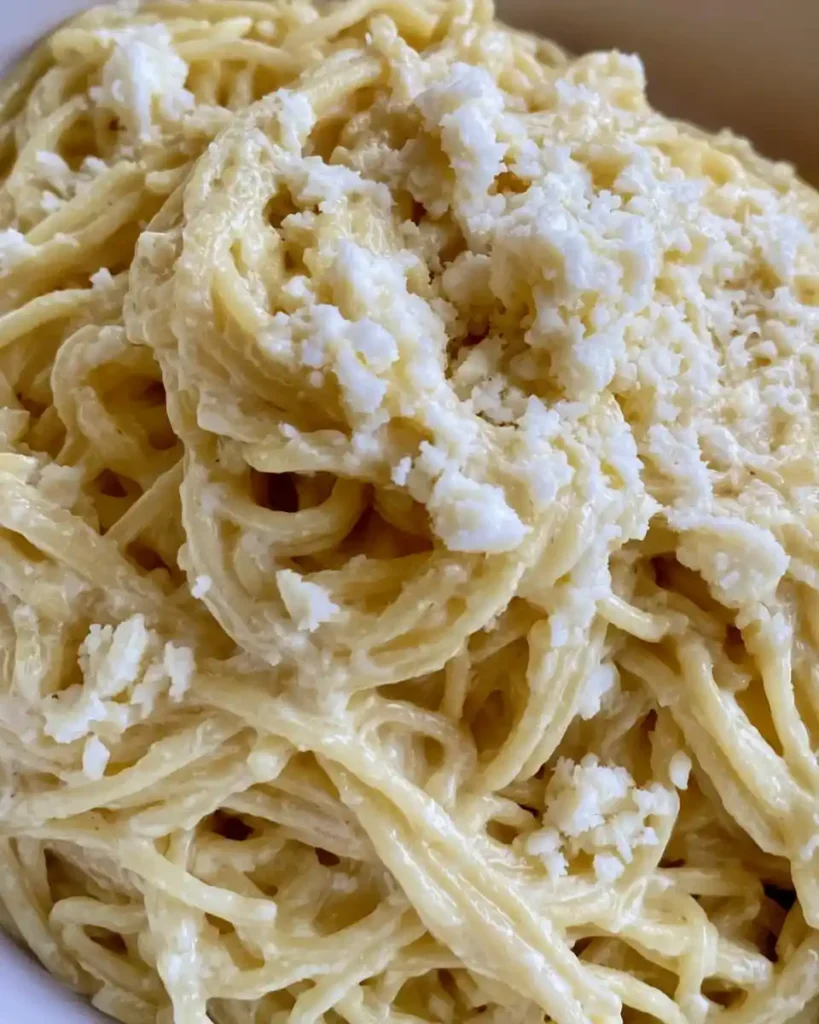
Ever had a dish that tastes like a hug from your favorite tía? That’s White Spaghetti (Espagueti Blanco) for you — creamy, garlicky, and done before you’ve even finished setting the table.
I stumbled onto this Mexican classic years ago at a friend’s family dinner, and I’ve been making it ever since. It’s the kind of comfort food that turns a random Tuesday into something worth remembering.
Why You’ll Love This White Spaghetti (Espagueti Blanco)
This dish is proof that simple ingredients can still deliver big flavor. Mexican crema, garlic, and butter come together into a sauce that’s silky without being fussy. You don’t need fancy technique here — just a skillet and some patience.
It’s ready in about 30 minutes, which makes it a legit weeknight option. The sauce coats every strand of spaghetti so thoroughly that you’ll be scraping the bowl. Who’s going to judge you for that? Not me.
Servings and Timing
Here’s what you’re working with before you start cooking:
- Servings: 4 to 6 people
- Prep time: 5 minutes
- Cook time: 25 minutes
- Total time: 30 minutes
That’s a real 30 minutes too, not the suspicious “30 minutes” some recipes promise and never deliver. IMO, this one actually keeps its word.
Ingredients for White Spaghetti (Espagueti Blanco)
Here’s the full lineup, with quantities that serve 4 to 6 people:
- Spaghetti — 1 pound (16 ounces)
- Unsalted butter — 4 tablespoons
- Garlic cloves, minced — 4 to 5
- Mexican crema — 1 cup
- Whole milk — 1 cup
- Salt — 1 teaspoon, plus more to taste
- Bay leaves — 4 to 6
- Pasta water, reserved — about 1/2 cup
- Queso fresco, crumbled — 1/2 cup, for topping
Can’t find Mexican crema near you? Sour cream thinned with a splash of milk works as a solid stand-in. No queso fresco either? Feta or mild farmer’s cheese gets you close enough.
How to Make White Spaghetti (Espagueti Blanco)
Step 1: Cook the Spaghetti Properly
Fill a large pot with water and add a generous tablespoon of salt. Bring it to a full, rolling boil before adding anything else — patience pays off here.
Add the spaghetti and stir right away so the strands don’t stick together. Cook according to the package directions, usually around 9 to 11 minutes, until just al dente. You want a slight bite, not mush.
Right before draining, scoop out roughly half a cup of that starchy pasta water. This step matters more than people realize — it’s your backup plan if the sauce ever turns too thick. Drain the pasta and set it aside.
Step 2: Build the Garlic Butter Foundation
Place a large skillet over medium-low heat and add the butter. Let it melt slowly instead of rushing it on high heat; slow melting keeps the flavor mellow instead of burnt.
Add the minced garlic once the butter’s fully melted. Stir it gently for 2 to 3 minutes until it smells incredible but never browns. Browned garlic turns bitter, and bitter garlic has no business in a creamy dish like this.
Step 3: Bring In the Cream
Lower the heat to low before adding any dairy — this single move saves your sauce from curdling. Pour in the Mexican crema and whole milk, then stir until everything looks smooth and unified.
Add the salt now while the sauce is still coming together. Keep stirring gently and watch the heat closely. The second it looks like it might bubble hard, pull it back down to low.
Step 4: Let the Bay Leaves Work Their Magic
Drop in the bay leaves — start with 4, and go up to 6 if you love a deeper herbal note. Let the sauce simmer gently for 4 to 6 minutes, stirring occasionally so nothing sticks to the bottom.
You’ll notice the sauce thickening slightly as it simmers. That’s exactly what you want. The bay leaves quietly infuse the cream with a warm, aromatic flavor you can’t quite get any other way.
Step 5: Combine Pasta and Sauce
Fish out the bay leaves with a spoon before moving forward — nobody wants to bite into a whole one by accident. If the sauce feels too thick at this point, splash in a bit of that reserved pasta water.
Add the drained spaghetti directly into the skillet, or transfer the sauce into the pasta pot if your skillet’s too small. Toss everything together gently until every single strand is coated in that creamy white sauce.
Step 6: Finish with Queso Fresco
Sprinkle the crumbled queso fresco over the pasta and toss one more time. Taste it. This is your moment to adjust salt or add a touch more cheese if you’re feeling generous.
Serve it immediately while it’s hot and the sauce is still glossy. Cold creamy pasta is a tragedy nobody needs to experience, so don’t let it sit around too long.
Tips for Success
A handful of small habits make this dish foolproof:
- Keep the heat low once dairy hits the pan; high heat is the enemy of smooth sauce.
- Never skip reserving pasta water — it’s your safety net for sauce consistency.
- Sauté the garlic gently; rushing it leads to bitterness, not flavor.
- Remove bay leaves before serving, every single time.
- Add queso fresco right before serving so it doesn’t melt away completely.
Easy Variations to Try
Once you’ve nailed the base recipe, it’s fun to make it your own:
- Stir in sautéed bell peppers, spinach, or mushrooms for added texture.
- Add grilled chicken, shrimp, or chorizo for a heartier, protein-packed meal.
- Sprinkle in red pepper flakes or diced jalapeños for a spicy kick.
- Finish with fresh cilantro or parsley for a brighter, herbal note.
- Swap in coconut cream and plant-based milk for a dairy-free version.
What to Serve With White Spaghetti (Espagueti Blanco)
A few sides turn this into a complete, well-rounded meal:
- A crisp green salad with a tangy vinaigrette balances the creaminess nicely.
- Warm garlic bread is basically non-negotiable in my house.
- A light white wine, like Sauvignon Blanc, pairs surprisingly well.
- Roasted vegetables add color and round out the plate beautifully.
Storing and Reheating Leftovers
Leftovers keep well in an airtight container in the fridge for up to three days. The sauce firms up as it chills, but don’t worry — that’s totally normal 🙂
Reheat gently on the stovetop over low heat, adding a splash of milk to bring the sauce back to life. Avoid the microwave on high power, since it tends to split creamy sauces like this one.
FAQs About White Spaghetti (Espagueti Blanco)
Can I make White Spaghetti (Espagueti Blanco) ahead of time? Yes. Make the sauce ahead and store it separately in the fridge. Cook the spaghetti fresh when you’re ready to eat, then combine and reheat gently.
Can I use a different pasta shape? Definitely. Fettuccine, penne, or even gluten-free pasta all work well. The creamy sauce clings nicely to most shapes, so don’t stress over this one.
Is White Spaghetti (Espagueti Blanco) vegetarian? Yes, the classic version is fully vegetarian. Just double-check your queso fresco brand, since some use animal rennet in production.
Why did my sauce curdle? The heat was likely too high when the dairy went in. Always lower the heat before adding crema or milk, and never let the sauce reach a hard boil.
Can I substitute Mexican crema? Sour cream thinned with a little milk works as a close substitute. The flavor leans slightly tangier, but the texture stays creamy and smooth.
How do I make this dish spicier? Add diced jalapeños or a pinch of red pepper flakes while building the sauce. Start small, taste as you go, and add more if you want extra heat.
Final Thoughts
White Spaghetti (Espagueti Blanco) proves that comfort food doesn’t need a long ingredient list or hours in the kitchen. Thirty minutes, one skillet, and a handful of pantry staples get you a dish that tastes like someone’s been cooking for you all day.
Make it once, and don’t be surprised when it becomes a regular request at your table. Once that garlic butter aroma hits your kitchen, there’s really no going back.
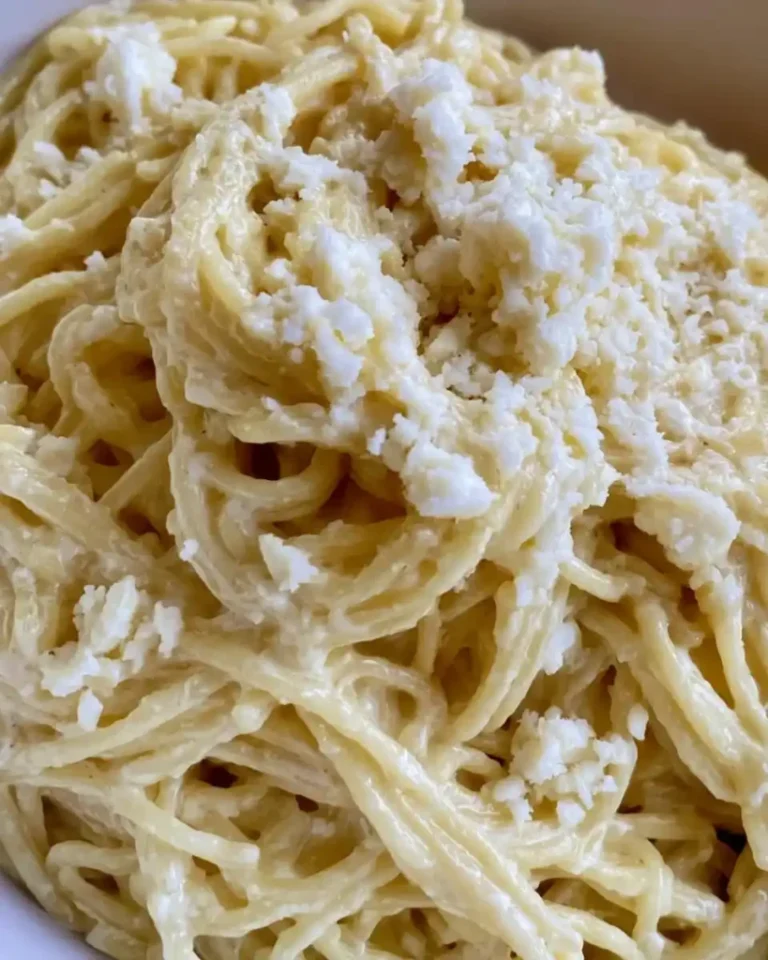
White Spaghetti (Espagueti Blanco)
Ingredients
Method
- Fill a large pot with water and add a generous tablespoon of salt. Bring it to a boil.
- Add the spaghetti and stir immediately to prevent sticking. Cook according to package directions (9-11 minutes) until al dente.
- Reserve about 1/2 cup of pasta water before draining spaghetti. Drain and set pasta aside.
- In a large skillet over medium-low heat, melt the butter slowly.
- Once melted, add the minced garlic and sauté gently for 2-3 minutes until fragrant, without browning.
- Lower the heat and add the Mexican crema and whole milk. Stir until smooth.
- Add salt and keep stirring cautiously to prevent bubbling.
- Introduce bay leaves and simmer gently for 4-6 minutes, stirring occasionally.
- Remove bay leaves and add reserved pasta water if sauce is too thick.
- Combine drained spaghetti with the sauce, tossing gently until fully coated.
- Top with crumbled queso fresco and adjust flavor with additional salt or cheese before serving.