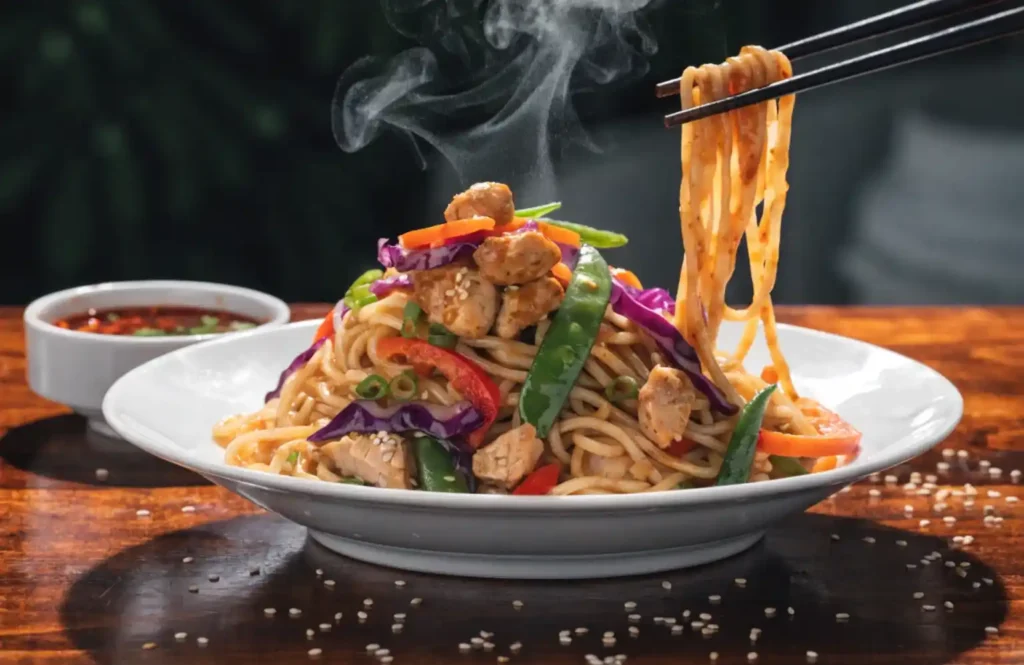
That saucy, veggie-loaded chicken chow mein from your favorite Chinese restaurant? You can make it better at home in less time than delivery takes. This recipe delivers authentic flavor with techniques that actually work.
Let me show you how to nail it.
Prep Time: 15 minutes
Cook Time: 15 minutes
Total Time: 30 minutes
Servings: 4 generous portions
Why This Chicken Chow Mein Recipe Works
Here’s what separates restaurant-quality chow mein from sad, soggy noodles. The secret is high heat, proper timing, and a sauce that actually clings.
I’ve tested this chicken chow mein recipe restaurant style approach dozens of times. This version captures that wok-tossed magic without needing professional equipment.
The noodles stay tender but not mushy. The vegetables keep their crunch. The chicken stays juicy and flavorful. Everything comes together in one harmonious dish.
IMO, homemade chow mein beats takeout every single time. You control the vegetables, the sauce intensity, and the oil amount completely.
Gathering Your Ingredients
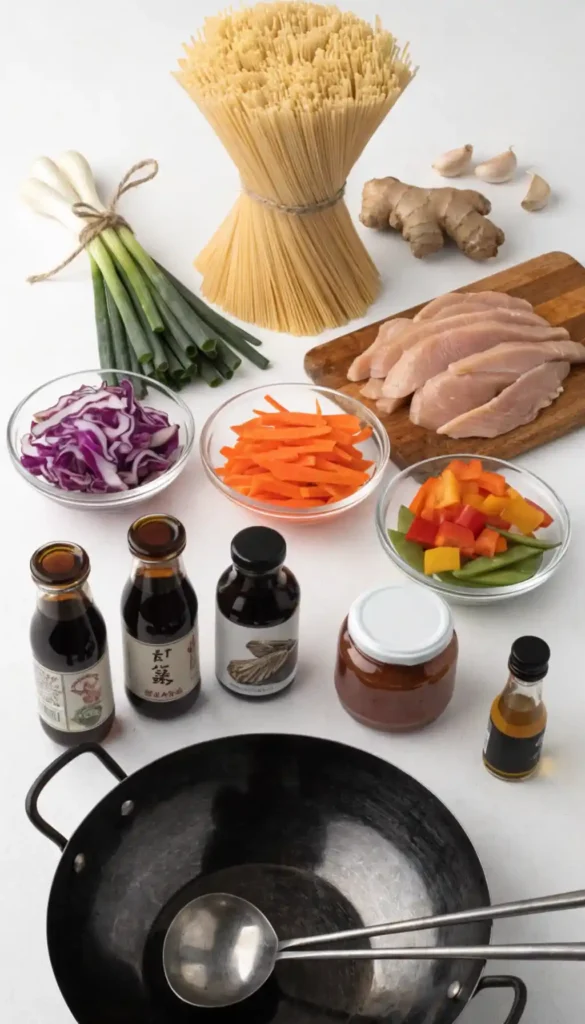
Let’s break down what you need for this chow mein recipe easy version. Nothing exotic or hard to find here.
For the Chicken:
- 1 pound boneless chicken breast, sliced thin
- 1 tablespoon soy sauce
- 1 tablespoon cornstarch
- 1 teaspoon sesame oil
For the Noodles:
- 12 ounces fresh chow mein noodles (or dried egg noodles)
- 1 tablespoon vegetable oil
Now For the Vegetables:
- 2 tablespoons vegetable oil
- 2 cups shredded cabbage
- 1 cup julienned carrots
- 1 red bell pepper, sliced thin
- 1 cup snow peas
- 3 green onions, cut into 2-inch pieces
- 3 cloves garlic, minced
- 1 tablespoon fresh ginger, grated
For the Chow Mein Sauce Recipe:
- 3 tablespoons soy sauce
- 2 tablespoons oyster sauce
- 1 tablespoon dark soy sauce (or regular)
- 1 tablespoon hoisin sauce
- 1 teaspoon sesame oil
- 1 teaspoon sugar
- ½ teaspoon white pepper
- 2 tablespoons water
Understanding Chow Mein vs. Lo Mein
People always ask about the difference. Chow mein uses crispier noodles that get stir-fried until slightly crispy on edges.
Lo mein noodles stay softer and get tossed with sauce. The chinese lo mein recipe uses thicker, rounder noodles typically.
Both are delicious. This recipe creates authentic cantonese chow mein with those slightly crispy, golden noodles everyone loves.
The cooking technique matters more than the noodle type honestly. High heat and constant movement create restaurant texture. :/
Choosing the Right Noodles
Fresh chow mein noodles work best if you can find them. Check the refrigerated section of Asian markets.
These pre-steamed noodles need minimal cooking. They’re already partially cooked and ready to stir-fry.
Can’t find fresh? Use dried egg noodles instead. Cook them according to package directions, then drain and rinse with cold water.
Lo mein noodles work too for this chicken noodles recipe easy approach. Just adjust cooking time slightly since they’re thicker.
Preparing the Chicken Properly
Slice chicken breasts against the grain into thin strips. Aim for pieces about ¼ inch thick and 2 inches long.
Toss the chicken with soy sauce, cornstarch, and sesame oil. This marinade tenderizes and creates a protective coating.
Let it marinate for at least 10 minutes while you prep everything else. Longer is fine but not necessary.
The cornstarch coating prevents the chicken from drying out during high-heat cooking. It also helps the sauce cling better.
Prep Work That Makes Everything Easy
Mise en place is your best friend here. Have everything chopped, measured, and ready before you start cooking.
Stir-frying moves fast. You won’t have time to chop vegetables once the wok is hot.
Mix your sauce ingredients in a small bowl. Set it next to the stove within easy reach.
Arrange vegetables in the order you’ll add them. This organization prevents overcooking and keeps you calm during the rush.
Cooking the Noodles to Perfection
If using fresh noodles, separate them gently and shake off excess starch. Don’t rinse – that starch helps sauce adhere.
If using dried noodles, cook according to package directions minus 1 minute. Drain and toss with oil to prevent sticking.
Fresh noodles need minimal cooking. You’ll finish them in the wok, so undercooking slightly is smart.
Spread cooked noodles on a plate to cool slightly. This dries them out a bit, which creates better texture when stir-fried.
Stir-Frying the Chicken
Heat a large wok or skillet over high heat. Add 1 tablespoon oil and swirl to coat the surface.
Add marinated chicken in a single layer. Let it sit undisturbed for 30 seconds to get some color.
Stir-fry for 3-4 minutes until chicken is cooked through and lightly browned. Don’t move it constantly – let it sear.
Transfer cooked chicken to a plate. Don’t skip this step even though it seems fussy. It prevents overcooking.
Getting Those Vegetables Perfect
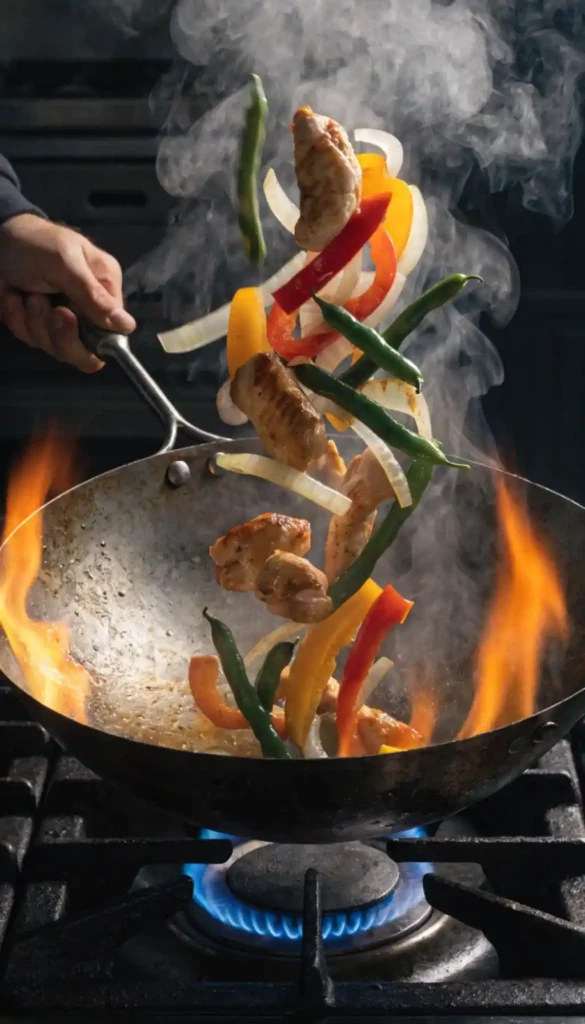
Add another tablespoon of oil to your hot wok. Toss in garlic and ginger first.
Stir-fry for 10-15 seconds until fragrant. Don’t burn the garlic or everything tastes bitter.
Add carrots first since they take longest to cook. Stir-fry for 1 minute.
Add cabbage, bell pepper, and snow peas. Stir-fry for 2-3 minutes until vegetables are tender-crisp.
Have you noticed how restaurant vegetables stay crunchy? High heat for short time is the secret.
Combining Everything Together
Push vegetables to the sides of the wok. Add cooked chicken back to the center.
Pour the prepared sauce over everything. Toss quickly to coat all ingredients evenly.
Add the noodles and green onions. Use tongs to toss everything together vigorously.
Keep tossing for 2-3 minutes until noodles are heated through and sauce coats everything evenly.
The noodles should pick up some color and develop slightly crispy edges in spots. That’s perfect chow mein texture.
The High Heat Technique
Restaurant woks generate intense heat that home stoves can’t match. But you can still get great results.
Use the highest heat your stove allows. Don’t be scared of it – embrace the power.
Work quickly and keep ingredients moving. High heat requires constant attention but rewards you with authentic flavor.
The slight char on vegetables and noodles creates that signature wok flavor. This is why homemade chow mein can’t be made on low heat.
Chow Mein Sauce Recipe Variations
This base sauce works beautifully, but customization creates different flavor profiles worth exploring.
Spicy Version: Add 1-2 teaspoons chili garlic sauce or sriracha. Creates that firecracker chicken fried noodles recipes kick.
Sweet and Tangy: Add 1 tablespoon rice vinegar and extra sugar. Balances savory with brightness.
Extra Savory: Double the oyster sauce and add a splash of Shaoxing wine. Deep, umami-rich flavor.
Lighter Option: Use low-sodium soy sauce and reduce oyster sauce for this healthy chow mein recipe approach.
Protein Swap Options
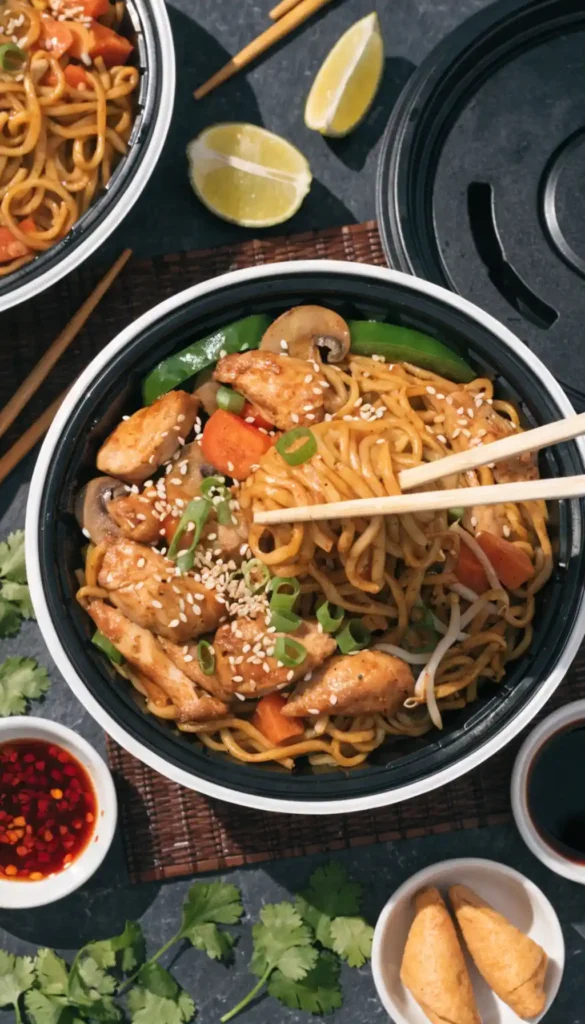
Don’t limit yourself to chicken. This chinese chow mein recipe base works with countless proteins.
Shrimp Chow Mein: Use 1 pound peeled shrimp. Cook for just 2 minutes until pink. Even faster than chicken.
Pork Chow Mein Recipe: Slice pork tenderloin thin. Marinate and cook exactly like chicken. Rich, savory deliciousness.
Beef Version: Use flank steak sliced against grain. Marinate with baking soda for extra tenderness.
Vegetarian: Skip meat entirely and add extra vegetables or tofu. Press tofu well and cube before cooking.
Making It Healthier Without Sacrificing Flavor
Want a healthy chinese noodles option? Simple modifications create lighter results without killing the taste.
Use less oil throughout. You can get away with half the amount and still achieve good results.
Load up on vegetables. Double the veggie quantity for more nutrients and fiber.
Choose whole wheat noodles or zucchini noodles for lower carbs. Different texture but surprisingly good.
Reduce sodium by using low-sodium soy sauce and less oyster sauce. Add extra aromatics for flavor compensation.
Common Mistakes to Avoid
Let me save you from the errors that ruin perfectly good asian chicken noodle recipes.
Crowding the Wok: Too much at once steams instead of stir-fries. Cook in batches if necessary.
Low Heat: Timid heat creates mushy vegetables and soggy noodles. Crank it up.
Not Prepping First: Scrambling to chop during cooking leads to burnt garlic and overcooked proteins. Prep everything first.
Overcooking Vegetables: Limp veggies are sad. Stop cooking while they still have bite.
Sauce Added Too Early: Add sauce at the end so it coats without burning. Sugar in sauce burns easily over high heat.
Serving Suggestions That Work
This recipes for dinner chinese option works beautifully as a standalone meal. But thoughtful sides elevate it.
Serve with crispy egg rolls or spring rolls. The textural contrast is perfect.
Add wonton soup as a starter. Light soup balances the rich, saucy noodles.
Include steamed edamame for extra protein and a fresh element. Sprinkle with sea salt.
Offer extra sriracha and chili oil at the table. Let people customize their spice level.
Storage and Reheating Tips
Leftover chow mein stores in an airtight container for 3-4 days refrigerated. It actually reheats pretty well.
Reheat in a hot wok or skillet, not the microwave. Add a splash of water or broth to loosen the sauce.
Toss over high heat for 2-3 minutes until everything is hot. The noodles crisp up nicely again.
Don’t freeze chow mein. The noodles get mushy and vegetables lose their texture completely. Fresh is always better.
Why Homemade Beats Takeout
Have you checked the sodium content on restaurant chow mein? It’s astronomical. Homemade lets you control that.
This chinese chicken noodle dish costs maybe $12 for four servings. Takeout charges $12-15 per single serving.
You choose the vegetable quantity and variety. Restaurants often skimp on veggies to save money.
Fresh ingredients taste incomparably better. Restaurant food sits under heat lamps. Yours goes straight from wok to plate.
Making It for Meal Prep
This easy chinese recipes noodles approach works brilliantly for weekly meal prep.
Make a double batch. Divide into individual containers with tight-fitting lids.
Store vegetables and noodles separately if possible. This prevents sogginess during storage.
Reheat portions individually in a skillet for best results. Microwave works but reduces quality significantly.
Add fresh green onions and sesame seeds when reheating. Brings back that fresh-made flavor and appearance.
Noodle Box Recipes Restaurant Tricks
Want that authentic noodle box recipes presentation? Use these restaurant techniques at home.
Garnish with toasted sesame seeds. They add nutty flavor and visual appeal.
Drizzle with extra sesame oil just before serving. The aroma is incredible.
Add crispy fried noodles on top for textural contrast. Unexpected but restaurant-worthy.
Serve in actual Chinese takeout boxes if you’re feeling extra. Fun presentation for parties or date nights.
Final Thoughts on Chow Mein Mastery
Making restaurant-quality chicken lo mein recipe easy versions at home is absolutely achievable. The technique is straightforward once you understand heat management.
This recipe proves that the best chinese takeout favorites can be recreated in your own kitchen. Better ingredients, fresher results, lower cost.
The combination of tender chicken, crispy vegetables, and savory noodles creates comfort food perfection. Every bite delivers satisfaction.
So fire up that wok and start cooking. FYI, your takeout habit is about to become a distant memory.
Chicken Chow Mein Recipe: Better Than Takeout, Easier Than You Think
4
servings420
kcal30
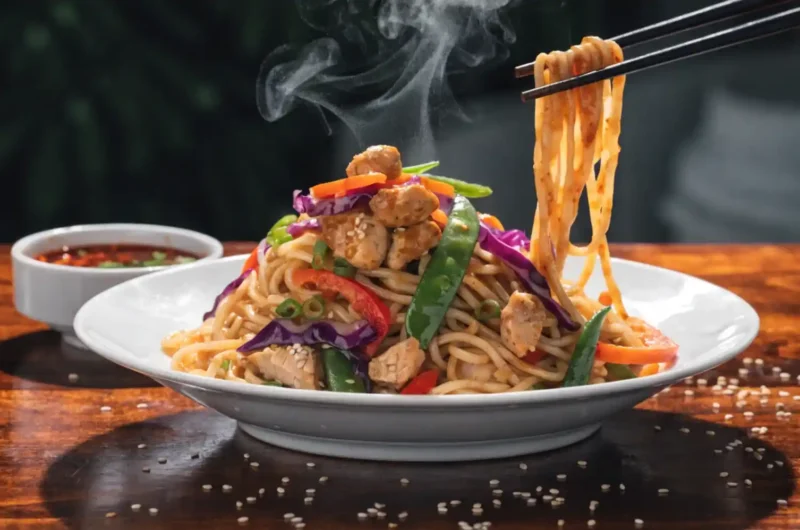
minutesChicken chow mein features tender marinated chicken, crisp vegetables, and stir-fried noodles coated in savory sauce. High-heat cooking creates restaurant-quality texture with slightly crispy noodle edges. Fresh or dried noodles work with this adaptable recipe. The homemade sauce balances salty, sweet, and umami flavors perfectly. Ready in 30 minutes, faster than delivery.
Ingredients
1 lb chicken breast, sliced thin
1 tbsp soy sauce (marinade)
1 tbsp cornstarch
1 tsp sesame oil (marinade)
12 oz chow mein noodles
4 tbsp vegetable oil (divided)
2 cups shredded cabbage
1 cup julienned carrots
1 red bell pepper, sliced
1 cup snow peas
3 green onions, cut
3 cloves garlic, minced
1 tbsp ginger, grated
3 tbsp soy sauce
2 tbsp oyster sauce
1 tbsp dark soy sauce
1 tbsp hoisin sauce
1 tsp sesame oil (sauce)
1 tsp sugar
½ tsp white pepper
2 tbsp water
Directions
- Slice chicken breast against grain into thin strips
- Marinate chicken with soy sauce, cornstarch, sesame oil
- Let marinate for 10 minutes minimum
- Prepare all vegetables and have them ready
- Mix all sauce ingredients in small bowl
- Cook noodles according to package directions if using dried
- Drain noodles and toss with oil
- Heat wok or large skillet over high heat
- Add 1 tablespoon oil to hot wok
- Add marinated chicken in single layer
- Stir-fry chicken 3-4 minutes until cooked through
- Transfer chicken to plate
- Add another tablespoon oil to wok
- Stir-fry garlic and ginger for 10-15 seconds
- Add carrots, stir-fry 1 minute
- Add cabbage, bell pepper, snow peas
- Stir-fry vegetables 2-3 minutes until tender-crisp
- Return chicken to wok
- Pour sauce over everything
- Add noodles and green onions
- Toss vigorously for 2-3 minutes
- Continue until noodles are heated and slightly crispy
- Serve immediately while hot
FAQs
What’s the best substitute for fresh chow mein noodles? Dried egg noodles, spaghetti, or linguine all work. Cook according to package directions, drain well, and toss with oil. Fresh noodles are ideal, but dried versions still create delicious results.
Can I make this ahead of time? You can prep all ingredients ahead, but cook just before serving for best texture. Fully cooked chow mein reheats okay but loses some crispness. For meal prep, expect slightly different texture.
Why is my chow mein soggy? Common causes: too much sauce, low heat, overcrowded wok, or wet vegetables. Use high heat, cook in batches, dry vegetables thoroughly, and add sauce at the very end.
What if I don’t have a wok? A large skillet works fine. Use the biggest one you have to give ingredients space. Stainless steel or cast iron conducts heat better than nonstick for achieving that char.
How do I make the sauce thicker? Mix 1 teaspoon cornstarch with 1 tablespoon water and add it to the sauce. The cornstarch thickens it into a glossy coating that clings to noodles perfectly.