Need dinner on the table fast, but still want it to taste like you tried? This Cajun shrimp recipe does exactly that. I cook it at least twice a month, usually on nights when takeout looks tempting. Spoiler: it wins every time.
Cajun Shrimp Recipe at a Glance
Before you grab a skillet, here are the numbers you need. I always check these first, because nobody wants a surprise at 7 p.m. with hungry people circling the kitchen.
- Servings: 2 to 3 people
- Prep time: 5 minutes
- Cook time: 3 to 4 minutes
- Total time: About 10 minutes
- Difficulty: Easy, even on a bad day
Ingredients and Exact Quantities
This recipe uses only seven ingredients, and one of them is salt. You probably own most of this already. Here is the full list with exact amounts.
- 1 pound (450g) large shrimp, peeled and deveined
- 1/2 tablespoon olive oil
- 2 tablespoons unsalted butter, softened
- 1 garlic clove, finely minced or grated
- 1 tablespoon fresh cilantro, minced (or parsley)
- 1 1/2 teaspoons Cajun seasoning
- 1/4 teaspoon salt, for seasoning the shrimp
A Quick Note on Shrimp Size
I buy large shrimp, which usually means 21 to 25 per pound. They stay juicy longer than small ones. Tiny shrimp turn rubbery while you blink, and I learned that the sad way.
Why This Cajun Shrimp Works So Well
Have you ever wondered why restaurant shrimp tastes so much better than yours? Two things make the difference: dry shrimp and flavored butter. This recipe handles both without any fancy equipment.
The Cajun butter does the heavy lifting. You mix garlic, herbs, and spice into soft butter before the shrimp touch the pan. The butter melts, coats every piece, and builds the sauce right in the skillet.
IMO, that single step beats any marinade. Marinades need hours, and I rarely plan that far ahead. Butter needs about 30 seconds of stirring.
Tools You Need
You do not need much here. A large skillet gives the shrimp room to cook in a single layer. A colander, a small bowl, and paper towels cover the rest.
How to Make Cajun Shrimp, Step by Step
I break this down into small steps because shrimp cook fast and forgive nothing. Read through once before you start. It takes two minutes and saves you from panic later.
Step 1: Salt the Shrimp
Place your shrimp in a colander and toss them with 1/4 teaspoon of salt. Let them sit for exactly 1 minute. The salt pulls out a little surface moisture and seasons the meat evenly.
Step 2: Rinse and Dry Completely
Rinse the shrimp under cold water to wash off the extra salt. Then pat them completely dry with paper towels. Press gently on each one and flip them over.
This step matters more than any other. Wet shrimp steam instead of sear, and steamed shrimp taste bland. Do you really want bland shrimp after all this effort?
Step 3: Mix the Cajun Butter
Add the softened butter to a small bowl. Stir in the minced garlic, chopped cilantro (or parsley), and Cajun seasoning. Mix until the butter looks evenly speckled and no clumps of spice remain.
Soft butter blends much better than cold butter. If yours comes straight from the fridge, cut it into small pieces and leave it out for 15 minutes. You can also press it with a fork to speed things up.
Step 4: Heat the Skillet
Pour 1/2 tablespoon of olive oil into a large skillet. Set the heat to medium and wait about a minute. The oil should shimmer but never smoke.
Step 5: Start Cooking the Shrimp
Add the shrimp in a single layer. Do not pile them up, even if you feel rushed. Cook them for about 1 minute, until the edges start turning pink.
I resist the urge to move them around during this minute. Letting them sit gives them a little color. Patience is boring, but it works
Step 6: Add the Cajun Butter
Reduce the heat to medium-low. Drop the Cajun butter into the skillet. The lower heat keeps the garlic from burning, because burnt garlic tastes bitter and ruins everything.
Step 7: Stir and Coat
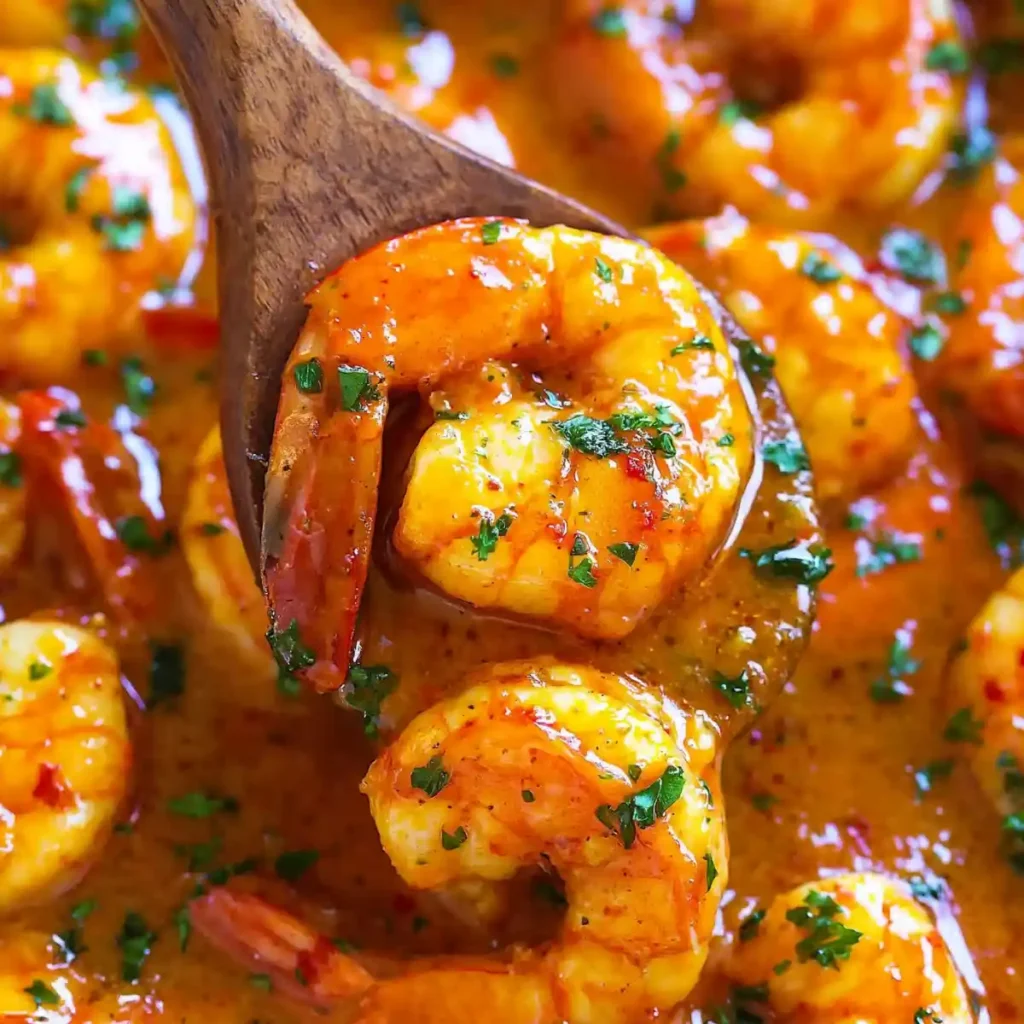
Stir continuously while the butter melts. Every shrimp should pick up a glossy, spiced coating. The kitchen will smell incredible at this point, and someone will wander in asking what you are making.
Step 8: Finish Cooking
Cook for another 1 to 2 minutes. The shrimp are ready when they feel firm, look opaque, and curl into a loose C shape. A tight O means you went too far.
Step 9: Serve Right Away
Take the skillet off the heat immediately. Shrimp keep cooking in the hot pan, so move them to a plate or serve straight from the skillet. Spoon the leftover butter sauce over everything.
How to Tell When Shrimp Are Done
Here is my quick checklist. I use it every single time, and it has never failed me.
- The color turns from gray and see-through to pink and white.
- The flesh feels firm but still has a little bounce.
- The shape forms a loose C.
- The pan sauce bubbles gently around them.
What to Serve With Cajun Shrimp
This dish plays well with almost anything. I tested four popular options, and each one brings something different. Here is how they compare.
Rice
White rice soaks up the garlic butter like a sponge. It also tones down the heat for anyone sensitive to spice. This is my go-to when I want zero extra work.
Pasta
Toss the shrimp with warm spaghetti or linguine and a splash of pasta water. The butter turns into a light sauce. It feels fancy, and nobody needs to know it took 10 minutes.
Grits
Creamy grits give you the classic Southern pairing. The mild, buttery base balances the smoky spice perfectly. I think this combination tastes best of all four.
Tacos
Pile the shrimp into warm tortillas with slaw and a squeeze of lime. Tacos add crunch and freshness. They also make weeknight dinner feel like a small party.
Easy Ways to Change the Recipe
Once you master the base version, play around a little. These tweaks keep things interesting.
- More heat: Add a pinch of cayenne pepper to the butter.
- Brighter flavor: Squeeze fresh lemon juice over the shrimp at the end.
- Extra richness: Add one more tablespoon of butter.
- Different herbs: Swap cilantro for parsley, as the recipe already allows.
FYI, store-bought Cajun seasoning varies a lot in saltiness. Taste your blend first. Some brands already pack plenty of salt, so you may want to skip the shrimp salting step if yours runs very salty.
Common Mistakes to Avoid
I have made every mistake on this list, so I speak from experience. Shrimp punish small errors quickly. Fix these and you will cook better shrimp than most restaurants.
- Skipping the drying step: Wet shrimp will not sear.
- Crowding the pan: Too many shrimp drop the temperature and make them steam.
- Using high heat with the butter: The garlic burns fast.
- Walking away: Shrimp need your attention for four minutes. You can survive that.
Storing and Reheating Leftovers
Cool the shrimp quickly and move them to an airtight container. They keep in the fridge for up to 2 days. Reheat them gently in a skillet over low heat for about a minute.
Avoid the microwave if you can. High, uneven heat makes shrimp tough. Cold leftovers also taste great on a salad, so nothing goes to waste.
Cajun Shrimp FAQs
Can I use frozen shrimp?
Yes. Thaw them in the fridge overnight, or place them in a bowl of cold water for about 15 minutes. Then dry them well before cooking.
Is Cajun shrimp very spicy?
It depends on your seasoning blend. This recipe uses 1 1/2 teaspoons, which gives a medium kick. Choose a milder blend or cut the amount if you cook for kids.
Can I use shrimp with the tails on?
Absolutely. Tails add a little flavor and look nice on the plate. Just warn your guests so nobody bites into one.
What can I use instead of Cajun seasoning?
Mix paprika, garlic powder, onion powder, oregano, and cayenne. Use the same 1 1/2 teaspoons total. Adjust the cayenne to match your heat tolerance.
Can I cook Cajun shrimp on the grill?
You can. Skewer the shrimp, grill them for 2 minutes per side, and brush on the Cajun butter at the end. The smoky char adds a whole new layer.
How do I keep shrimp from turning rubbery?
Watch the clock. Total cooking time stays under 4 minutes. Pull the pan off the heat as soon as the shrimp turn opaque.
Final Thoughts on This Cajun Shrimp Recipe
This Cajun shrimp recipe gives you big flavor with almost no effort. Dry the shrimp, mix the butter, and watch the heat. Those three habits matter more than any fancy trick.
Make it tonight and pick your favorite side. Then tell me honestly: did it last more than five minutes on the table? Mine never does, and I stopped pretending I would share.
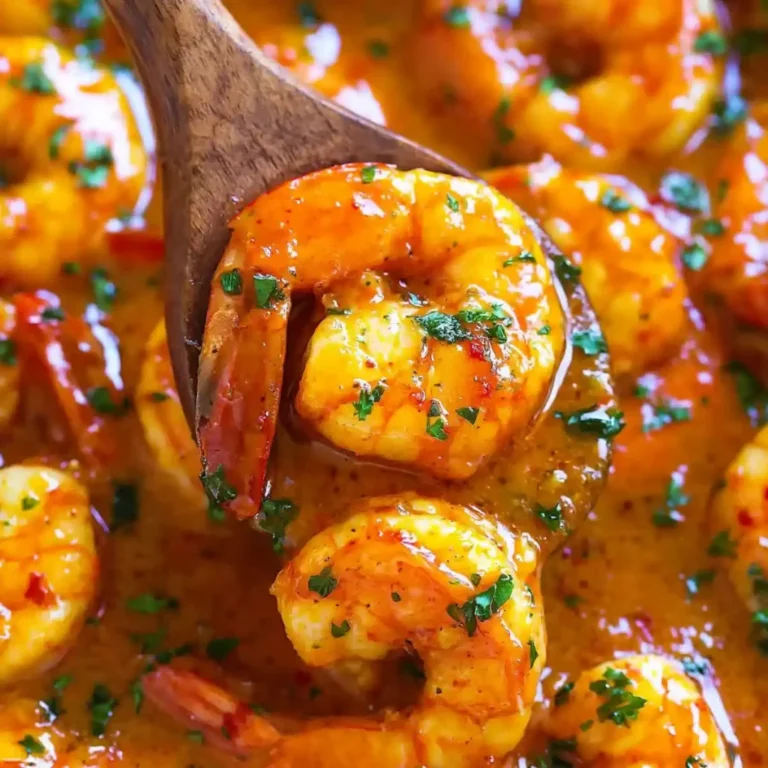
Cajun Shrimp
Ingredients
Method
- Place your shrimp in a colander and toss them with 1/4 teaspoon of salt. Let them sit for exactly 1 minute.
- Rinse the shrimp under cold water to wash off the extra salt and pat them completely dry with paper towels.
- Add the softened butter to a small bowl. Stir in the minced garlic, chopped cilantro (or parsley), and Cajun seasoning. Mix until the butter looks evenly speckled.
- Pour 1/2 tablespoon of olive oil into a large skillet over medium heat.
- Add the shrimp in a single layer, cooking them for about 1 minute until the edges start turning pink.
- Reduce heat to medium-low and drop the Cajun butter into the skillet.
- Stir continuously while the butter melts, ensuring every shrimp is coated.
- Cook for another 1 to 2 minutes until the shrimp feel firm, look opaque, and curl into a loose C shape.
- Remove the skillet from the heat immediately and serve the shrimp with the leftover butter sauce.