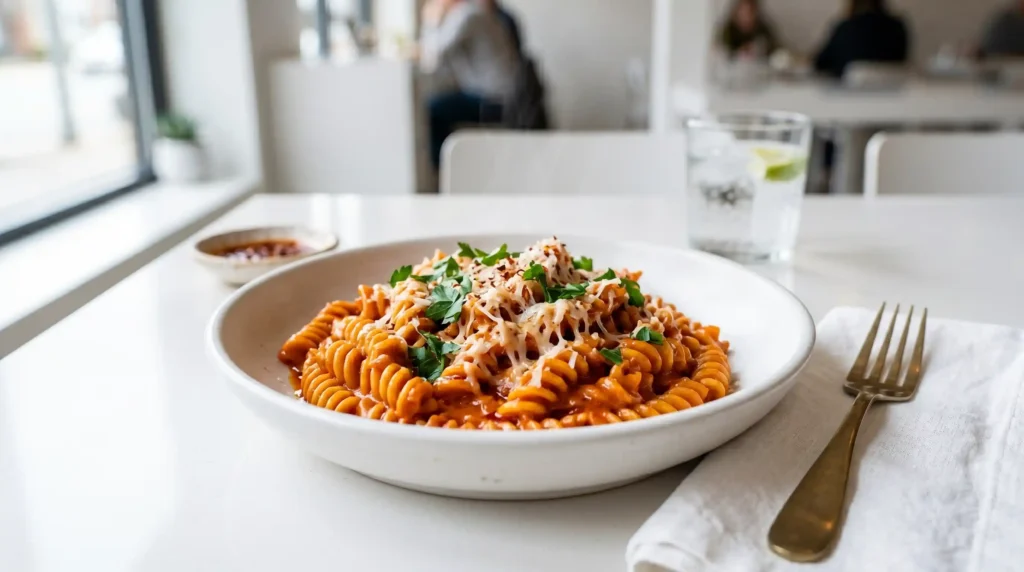
I have a jar of gochujang in my fridge that I initially bought on a whim. Two months later, it’s basically running my kitchen. If you haven’t made Gochujang Pasta yet, you’re missing one of the best weeknight dinner upgrades of the last few years.
This dish is the kind of thing you make once out of curiosity, then start craving on a Tuesday. It’s creamy, spicy, deeply savoury, and comes together in 30 minutes flat. Let’s do this.
Quick overview: This recipe serves 2–3 people with a 10-minute prep and 20-minute cook time. Total: 30 minutes from fridge to fork. It uses one pot for the pasta and one skillet for the sauce — not much washing up either, which I personally consider a bonus feature.
What Even Is Gochujang?
Good question — and worth a quick minute before you start cooking. Gochujang is a Korean fermented red chili paste made from chili powder, glutinous rice, fermented soybeans, and salt. It tastes like nothing else: deeply spicy, slightly sweet, rich, and fermented in a way that adds serious depth.
It’s not just heat for heat’s sake. The fermentation gives it a complexity that sriracha or chili flakes simply can’t replicate. Once you cook it into a cream sauce, it transforms into something almost smoky, sticky, and addictive. IMO, it’s the most interesting condiment in a home kitchen right now.
You can find it at most Asian grocery stores, and increasingly at large supermarkets. Look for the little red tubs. Once you have it, you’ll find excuses to put it in everything — pastas, marinades, scrambled eggs. Trust me on this one.
What You’ll Need
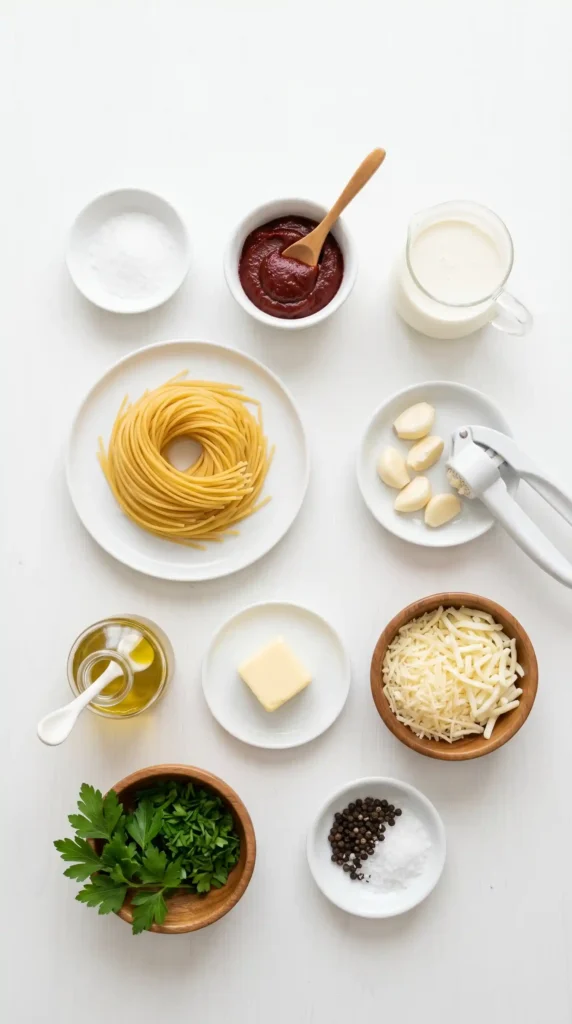
This recipe keeps things focused. No long shopping lists, no specialist equipment. Everything here earns its place in the dish.
- Full Ingredient List — Serves 2–3
- Pasta & Sauce
- Fusilli Corti Bucati pastaOr any pasta shape — penne and rigatoni both work great8 oz
- GochujangThe key ingredient — adjust for spice tolerance2 tbsp
- Garlic cloves, mincedFor aromatic depth3 cloves
- Salted butterCreates a rich, silky base4 tbsp
- Olive oilFor sautéing the garlic2 tbsp
- Heavy creamFor creamy texture½ cup
- Shredded cheese — parmesan or cheddarChoose based on what you have½ cup
- Freshly ground black pepper1 pinch
- Fresh parsley, choppedFor garnish2 tsp
Nine ingredients total — plus the pasta water you’ll save from cooking. That reserved starchy water is a silent hero in this recipe; don’t pour it all down the drain when you drain the pasta. More on that in a moment.
Understanding the Sauce Before You Start
The Gochujang Pasta sauce works in distinct layers, and understanding what each ingredient does helps you cook it more confidently. Have you ever wondered why a dish tastes flat even when you followed the recipe exactly? Usually, it’s because the layers weren’t built in the right order.
Layer 1 — The aromatic base
Olive oil goes in first to sauté the garlic gently. Garlic burned in dry heat turns bitter and harsh. Oil-sautéed garlic turns golden and sweet, which sets a completely different flavour foundation for everything that follows.
Layer 2 — The chili paste
Cooking gochujang in fat for 1–2 minutes before adding anything else is what separates a flat sauce from one with real depth. The heat blooms the chili compounds and drives off any raw, sharp edge. This step takes about 90 seconds but makes a noticeable difference.
Layer 3 — Richness and cream
Butter melts into the cooked gochujang and rounds out the spice beautifully. Then the heavy cream goes in and the whole thing thickens into a glossy, salmon-coloured sauce. The cheese adds a savoury, slightly salty finish that ties everything together.
How to Make Gochujang Pasta — Step by Step
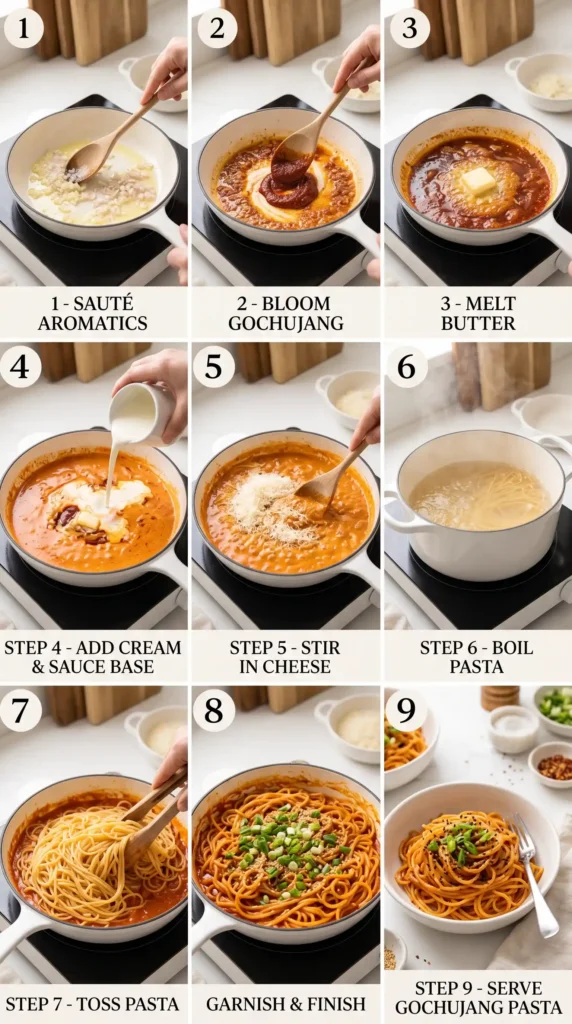
Before anything hits the heat, get everything measured and within arm’s reach. This sauce moves quickly once you start. Standing at the stove hunting for your butter while garlic burns is, let’s just say, a learning experience you only need once.
Step 1
Boil and cook the pastaFill a large pot with water and bring it to a rolling boil over high heat. Add a generous pinch of salt — the water should taste faintly of the sea. Add your 8 oz of pasta and cook according to the package instructions, typically 8 to 10 minutes, until it reaches al dente texture. You want the pasta to have a slight bite when you test it. Before draining, scoop out about half a cup of the starchy cooking water and set it aside in a small bowl — you’ll need it later to loosen the sauce. Drain the pasta and set it aside.
Step 2
Sauté the garlicWhile the pasta cooks, place a large skillet over medium heat and add 2 tablespoons of olive oil. Once the oil shimmers, add your 3 minced garlic cloves. Stir them around the pan continuously for about 60 to 90 seconds. You’re looking for golden edges and a fragrant, sweet smell — not brown, not raw. The moment the garlic turns the right shade of gold, move immediately to the next step before it overcooks.
Step 3
Cook the gochujangAdd both tablespoons of gochujang directly into the oil with the garlic. Use a spatula to spread it around and stir it into the oil constantly for about 1 to 2 minutes. It will sizzle, darken very slightly, and start to smell incredible — toasty, spicy, and slightly caramelised. This is called blooming, and it’s the single most important step in the whole recipe. Don’t skip it or rush it.
Step 4
Add the butterDrop all 4 tablespoons of salted butter into the skillet and let it melt completely into the gochujang mixture, stirring to combine. The butter turns the paste into a glossy, cohesive sauce base and softens the raw heat of the chili. Once the butter is fully melted and incorporated — about 45 seconds — reduce the heat to medium-low before moving to the cream. Adding cream to a screaming-hot pan causes it to separate, so this temperature step matters.
Step 5
Pour in the creamWith the heat on medium-low, pour in your ½ cup of heavy cream in a slow, steady stream while stirring constantly. The sauce will turn a beautiful deep coral-pink colour immediately. Keep stirring gently and let it simmer for 2 to 3 minutes until the sauce thickens enough to coat the back of a spoon. Don’t boil it aggressively — a gentle simmer keeps the cream from breaking and gives you a perfectly smooth, velvety result.
Step 6
Add the cheeseRemove the pan from the heat briefly, then add your ½ cup of shredded cheese in two or three small handfuls, stirring between each addition. Adding cheese off the heat prevents it from clumping or turning grainy. Stir until each handful melts fully into the sauce before adding the next. Once all the cheese is in, you’ll have a thick, glossy, deeply savoury sauce that smells absolutely outrageous.
Step 7
Adjust with pasta waterReturn the pan to low heat. If the sauce looks too thick to coat the pasta evenly, add a splash of your reserved pasta water — start with just 2 tablespoons and stir it in. The starchy water emulsifies into the sauce and loosens it without making it watery. Add more if needed, tablespoon by tablespoon, until the consistency looks glossy and flowing but still thick enough to cling to a pasta shape.
Step 8
Toss and coat the pastaAdd the drained pasta directly into the skillet. Use tongs to toss everything together vigorously for about a minute, making sure every piece of pasta gets coated in that gorgeous sauce. The pasta will soak up some of the sauce as it sits in the pan, which is exactly what you want. Taste at this point — does it need more salt? A tiny pinch does it. More spice? Add a tiny blob of extra gochujang and toss again.
Step 9
Plate and garnishDivide the pasta between your serving bowls while it’s still hot. Finish with a generous crack of freshly ground black pepper over the top and scatter your 2 teaspoons of chopped fresh parsley for colour and freshness. Eat immediately — Gochujang Pasta waits for no one. The sauce thickens noticeably as it cools, so don’t let it sit around. Enjoy every bite while it’s at its best.
Tips for Better Gochujang Pasta Every Time
- Always bloom the gochujang in oil before adding cream — it’s what builds real depth of flavour.
- Reserve more pasta water than you think you’ll need. You can always add; you can’t take away.
- Parmesan gives a sharper, saltier finish. Cheddar gives it a mellower, slightly richer creaminess. Both work.
- For extra protein, toss in sliced chicken breast or soft-boiled eggs.
- Use butter that’s at room temperature — it melts faster and integrates more smoothly.
- Short pasta shapes like fusilli or rigatoni catch the sauce better than spaghetti in this recipe.
Ways to Customise Your Gochujang Pasta
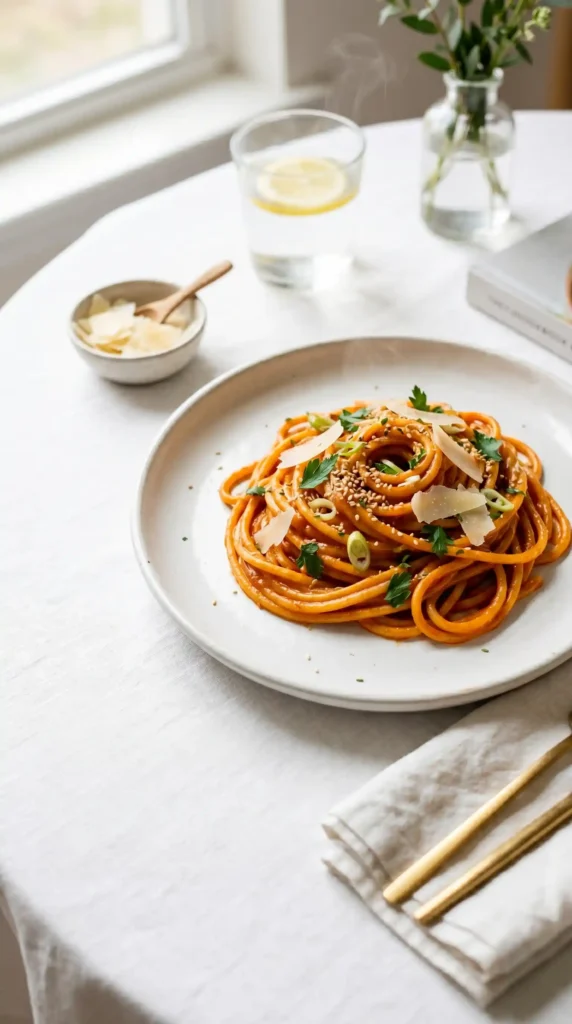
Once you’ve nailed the base recipe, the real fun starts. Gochujang Pasta is genuinely flexible. Think of it as a canvas — the sauce provides the flavour direction, and you can build any direction from there.
Add protein
Pan-fried chicken thigh strips are incredible in this. So is crispy tofu for a vegetarian upgrade. Even a couple of soft-boiled eggs sliced in half on top work brilliantly — the runny yolk folds into the sauce in the most satisfying way imaginable.
Add vegetables
Sautéed mushrooms, wilted spinach, or roasted cherry tomatoes all complement the gochujang flavour profile well. Just cook them separately and fold them into the sauce just before adding the pasta so they don’t release excess water into the sauce.
Control the spice level
Start with 1 tablespoon of gochujang if you’re spice-shy. The sauce still tastes great with less — you get more of the fermented, savoury notes and less heat. FYI, different gochujang brands vary a lot in spice intensity, so always taste as you go the first time you use a new jar.
Storing and Reheating
Got leftovers? Store them in an airtight container in the fridge for up to 3 days. The sauce thickens considerably when cold, which is normal — it’s not ruined, it just needs a little help getting back to its best self.
To reheat, add the pasta to a small pan over medium-low heat with a splash of water or a tiny pour of cream. Stir gently for 2 to 3 minutes until warmed through and glossy again. The microwave works too — just add a tablespoon of water, cover, and reheat in 60-second intervals, stirring between each one.
Frequently Asked Questions
Can I substitute gochujang with something else?
You can, but you’ll get a different result. A mix of sriracha and a small amount of miso paste gets you closest to the flavour profile — spicy, savoury, and slightly fermented. Harissa also works as a substitute for a North African twist. That said, gochujang is genuinely worth seeking out. Once you have it, you’ll use it constantly.
Is Gochujang Pasta very spicy?
At 2 tablespoons, this recipe sits at a medium spice level for most people. The cream and butter temper a lot of the heat. If you’re sensitive to spice, start with 1 tablespoon and taste the sauce before adding more. If you love heat, go up to 3 tablespoons or add a pinch of chili flakes on top at the end.
Can I make this dairy-free?
Yes — swap the heavy cream for full-fat coconut cream and replace the butter with a neutral dairy-free alternative. The coconut cream adds a very subtle sweetness that actually pairs beautifully with the gochujang. Skip the cheese or use a dairy-free parmesan alternative. The sauce texture will be slightly lighter but still delicious.
What pasta shape works best for Gochujang Pasta?
Short, textured pasta shapes work best. Fusilli, penne, rigatoni, and cavatappi all grip the thick, creamy sauce well. Spaghetti or linguine can work but the sauce tends to pool at the bottom of the bowl rather than coating each strand evenly. For a more sauce-soaked bite, short and ridged always wins in a cream-based dish like this.
Why did my cream sauce break or curdle?
This usually happens when the cream hits heat that’s too high. Always reduce your heat to medium-low before adding the cream, and add it slowly while stirring. If the sauce does look broken, remove it from the heat immediately and stir in a tablespoon of cold water or an extra knob of cold butter while whisking — this usually brings it back together.
Can I use low-fat cream instead of heavy cream?
Technically yes, but the sauce won’t be as thick or rich. Low-fat cream has a higher water content and a lower fat percentage, so it takes longer to reduce and can separate more easily over heat. For the best result, use full-fat heavy cream. If you must use a lighter option, single cream works — just simmer it for an extra minute to get the right consistency.
One Last Thing Before You Go Cook
That’s the full picture on Gochujang Pasta — a 30-minute weeknight dinner that tastes like you spent a lot more time on it. Spicy, creamy, savoury, and genuinely satisfying. Once you make it, it earns a permanent spot in your regular rotation.
The beauty of this recipe is how forgiving it is. Get the sauce layers right, don’t burn the garlic, bloom the gochujang properly — and everything else pretty much takes care of itself. You’ve got this.
Go find that jar of gochujang and make dinner happen.
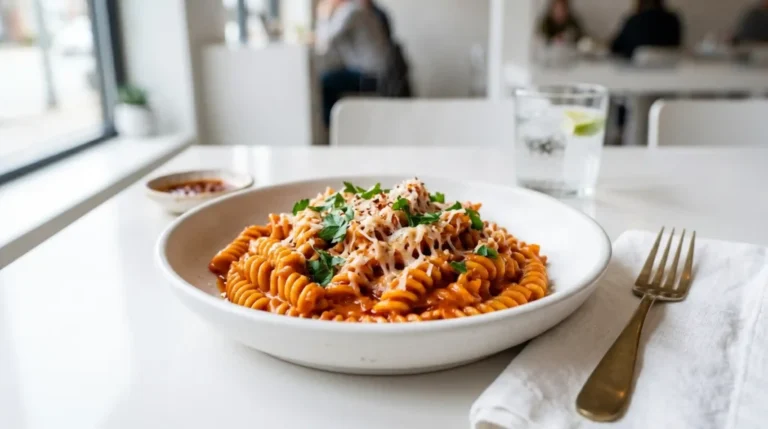
Gochujang Pasta
Ingredients
Method
- Fill a large pot with water and bring it to a rolling boil over high heat. Add a generous pinch of salt. Add your pasta and cook according to the package instructions, typically 8 to 10 minutes, until al dente. Reserve about half a cup of starchy cooking water before draining the pasta.
- While the pasta cooks, heat olive oil in a large skillet over medium heat. Add the minced garlic and sauté for about 60 to 90 seconds until golden and fragrant.
- Add gochujang to the garlic and stir constantly for 1 to 2 minutes to bloom the flavors.
- Mix in the salted butter and let it melt completely, stirring to combine.
- Pour heavy cream into the skillet in a slow stream while stirring. Let it simmer for 2 to 3 minutes until thickened.
- Remove the pan from heat, then add shredded cheese in batches, stirring until melted.
- Return the pan to low heat and adjust the sauce's consistency with reserved pasta water as needed.
- Add the drained pasta to the skillet and toss thoroughly to coat.
- Divide the pasta between serving bowls, top with black pepper and parsley, and serve hot.