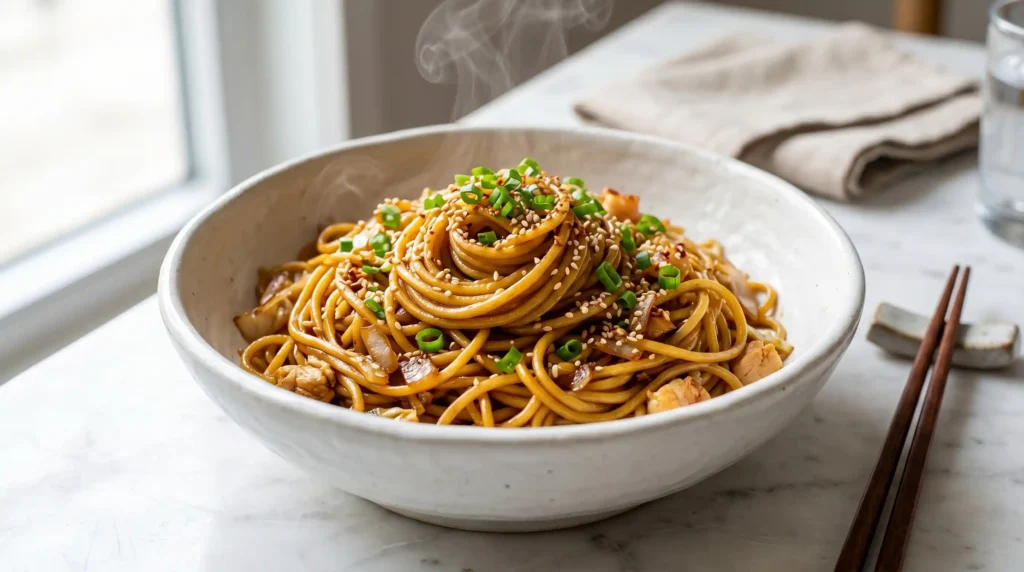
Servings: 4 | Prep Time: 10 minutes | Cook Time: 15 minutes | Total Time: 25 minutes
You know that moment at a hibachi restaurant when the chef tosses the noodles on the flat-top and that smell hits you? Buttery, garlicky, slightly sweet, with just enough soy sauce to make everything make sense. That moment is why I started making Hibachi Noodles at home.
The first time I tried replicating this at home, I was skeptical. Surely it required a giant flat griddle and years of theatrical training, right? Nope. A regular wok or skillet, 25 minutes, and the right sauce ratio and you get something that tastes exactly like the real thing.
This recipe is fast, deeply satisfying, and flexible enough to work as a side dish or a full meal. Once you make it once, you will make it on repeat. Let me walk you through everything.
Ingredients
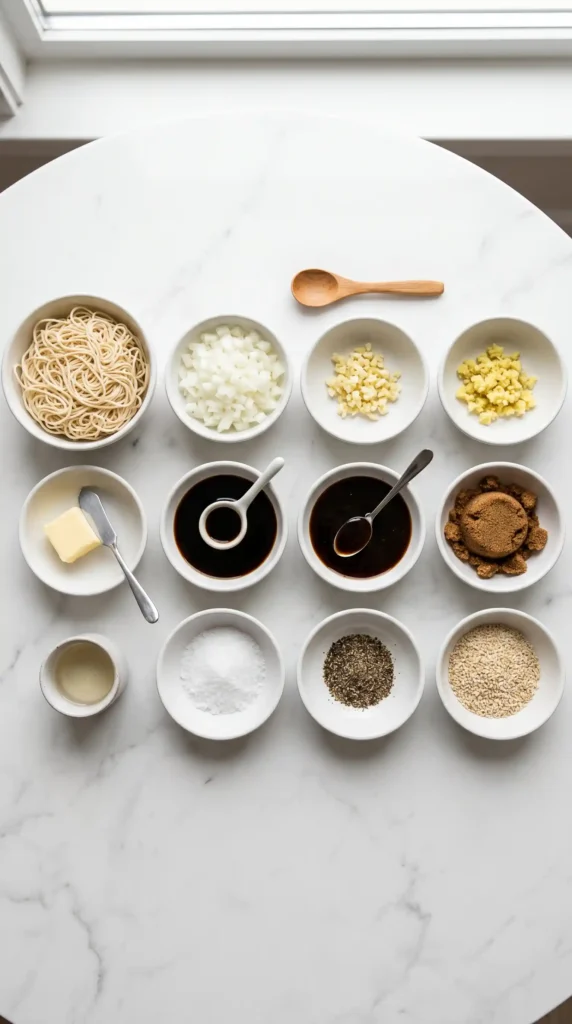
Noodle Base
- 7 ounces dry noodles (traditional hibachi noodles or linguine pasta as a substitute)
Oils and Sauces
- 2 tablespoons soy sauce
- 1 tablespoon teriyaki sauce
- 2 tablespoons brown sugar
- 1 tablespoon mirin or rice vinegar
Butter
- 3 tablespoons butter (salted or unsalted)
Aromatics
- 1/4 cup chopped onions
- 2 teaspoons minced garlic
- 2 teaspoons minced ginger
Seasoning and Garnish
- 1/2 teaspoon salt, or to taste
- 1/4 teaspoon ground black pepper
- 2 teaspoons white sesame seeds for garnish
What Makes Hibachi Noodles So Addictive
Have you ever tried to explain why hibachi food tastes so good and ended up just saying “it just does”? There is actually a reason. The combination of high heat, butter, and soy sauce creates a flavor depth that most home cooking never reaches. Every element earns its place.
The butter is the first thing that separates Hibachi Noodles from generic stir-fried noodles. Butter adds richness and a slightly nutty edge when it hits a hot pan. Combined with garlic and ginger, it creates an aromatic base that coats every strand of noodle.
The sauce — soy, teriyaki, brown sugar, and mirin — layers salt, umami, sweetness, and acidity all at once. No single ingredient carries the flavor alone. They work together to create that characteristic hibachi taste that keeps people coming back every single time.
IMO, the brown sugar is the most underestimated ingredient in this recipe. It does not make the noodles sweet — it caramelizes slightly under high heat and rounds off the saltiness of the soy sauce. Skip it and the sauce tastes flat. Include it and everything balances.
How to Make Hibachi Noodles
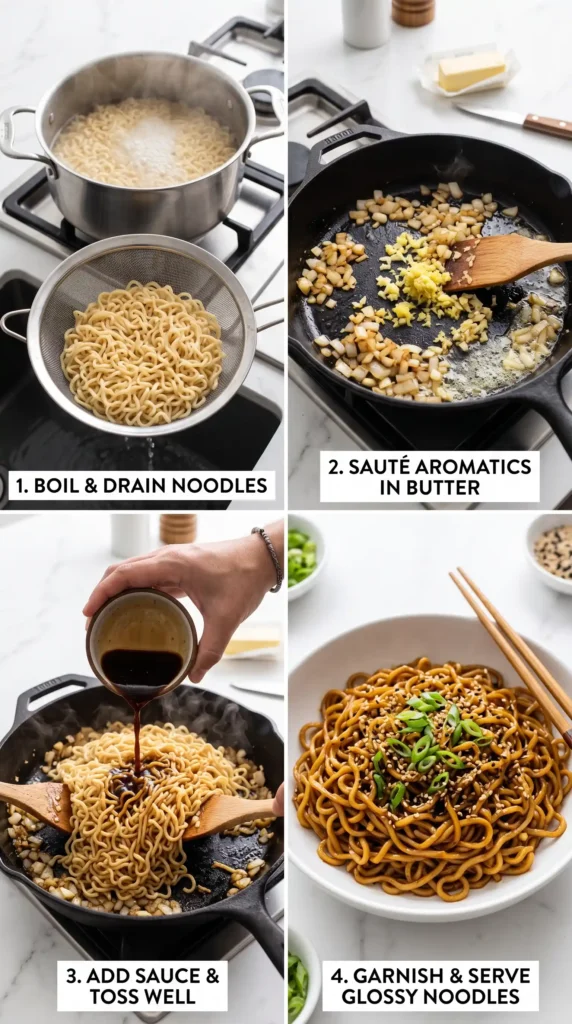
Step 1: Cook the Noodles
Start with 7 ounces of dry noodles. Traditional hibachi restaurants use a style called yakisoba or yaki udon — thick, chewy noodles that hold sauce well and develop a slight char on the flat-top. If you find them at an Asian grocery store, use them. They genuinely make a difference.
If you cannot find traditional hibachi noodles, do not stress. Linguine works surprisingly well as a substitute. The shape and texture are close enough that most people cannot tell the difference once the sauce hits. Spaghetti or thick ramen noodles also work as backup options.
Cook the noodles according to package instructions, but pull them out one to two minutes before the recommended cook time. You want them slightly underdone — still with a firm bite. They will finish cooking in the pan, and if they are already fully soft they will turn mushy by the time the dish is done.
Once cooked, drain the noodles immediately and rinse them under cold running water. This stops the cooking process right away and washes off the excess surface starch. Less surface starch means the noodles toss more freely in the pan instead of clumping together into one solid mass.
Toss the drained noodles with a very light drizzle of neutral oil — just enough to coat them. This prevents sticking while you get the rest of the recipe ready. Set the noodles aside within easy reach of the stove because once you start cooking, things move quickly.
Step 2: Make the Sauce
While the noodles drain, build the sauce. In a small bowl, combine 2 tablespoons of soy sauce, 1 tablespoon of teriyaki sauce, 2 tablespoons of brown sugar, and 1 tablespoon of mirin. Whisk them together until the brown sugar fully dissolves.
Taste the sauce before you cook with it. It should taste sweet, salty, and slightly tangy all at once. If it leans too salty, add a touch more brown sugar. If it tastes too sweet, add a few extra drops of soy sauce. Adjust now rather than mid-cook.
Pre-mixing the sauce is a step a lot of home cooks skip, and it shows in the result. When you add ingredients separately into a hot pan, they do not have time to combine before the heat changes them. A pre-mixed sauce coats the noodles evenly from the first toss.
Step 3: Cook the Aromatics
Heat a large wok or skillet over medium to medium-high heat. Add the 3 tablespoons of butter and let it melt completely. Watch the butter carefully — you want it melted and just beginning to foam, not browning or burning. Burnt butter turns bitter and ruins the base.
Once the butter is melted and foamy, add the 1/4 cup of chopped onions to the pan. Spread them out and let them cook for about 30 seconds to 1 minute without stirring too much. You want them to soften slightly and pick up a little color at the edges.
Add the 2 teaspoons of minced garlic and 2 teaspoons of minced ginger to the onions. Stir everything together constantly from this point. Garlic and ginger cook fast and burn even faster — keep them moving in the pan and cook for 1 to 2 minutes until fragrant and soft.
The aroma at this stage is something else. The butter carries the garlic and ginger flavor through the entire pan and you will smell exactly why hibachi restaurants always have a line out the door. This aromatic base is the foundation that makes the finished noodles taste so complete.
Step 4: Add the Noodles and Sauce
Add the drained, lightly oiled noodles directly into the pan with the aromatics. Use tongs or a spatula to toss the noodles through the butter and aromatics immediately. You want every strand picking up that butter-garlic coating in the first 30 seconds.
Pour the pre-mixed sauce over the noodles all at once. Toss and stir-fry everything together continuously, making sure the sauce coats every section of the noodle pile. Work quickly here — the sauce will start reducing and caramelizing almost immediately on contact with the hot pan.
Continue stir-frying for 2 to 3 minutes. The sauce will thicken and cling to the noodles, the brown sugar will lightly caramelize and add a faint glossy finish, and the noodles will finish cooking through from the residual heat. The whole pan should look glossy and smell incredible.
Season with 1/2 teaspoon of salt and 1/4 teaspoon of ground black pepper. Taste first before adding salt — the soy sauce already carries a significant salt load and you may not need the full amount. Add a little, taste, and adjust. You can always add more but you cannot take it back.
Step 5: Garnish and Serve
Remove the pan from heat. Scatter 2 teaspoons of white sesame seeds over the top of the noodles. The seeds add a nutty crunch and a visual finish that makes the dish look put-together without any extra effort. Toast them first in a dry pan for 60 seconds if you want extra flavor.
Serve the Hibachi Noodles immediately while they are hot and the sauce still coats everything evenly. They cool quickly, and cooled hibachi noodles lose some of that glossy, saucy quality that makes the dish so satisfying. Straight from the pan to the bowl is the move.
What to Serve With Hibachi Noodles
These noodles work as a side dish or a main course depending on what you add. Have you thought about turning them into a complete hibachi spread at home? It is easier than it sounds and the result is genuinely impressive.
- Hibachi chicken or shrimp: Cook diced chicken thighs or large shrimp in butter, garlic, and soy sauce in a separate pan. Serve directly on top of or beside the noodles.
- Hibachi fried rice: Make a simple fried rice with day-old rice, soy sauce, butter, eggs, and mixed vegetables as a companion dish.
- Yum yum sauce: A mayo-based pink sauce with paprika and garlic that pairs perfectly with these noodles and turns the whole plate into a restaurant-quality spread.
- Steamed broccoli or zucchini: Lightly seasoned vegetables balance the richness of the butter-based noodles and add color to the plate.
Tips for Perfect Hibachi Noodles Every Time
- Use high heat. Medium-high is the minimum. A hot pan is what gives the noodles that slight char and deep flavor. Low heat steams them instead of stir-frying them.
- Do not overcook the noodles before the pan. Pull them out slightly underdone. Overcooked noodles turn to mush once they hit the hot pan and sauce.
- Pre-mix your sauce. Adding ingredients separately in a fast stir-fry leads to uneven coating. Mix everything in a bowl first for consistent flavor throughout.
- Use real butter, not margarine. The flavor difference is significant. Butter gives you a richness and slight nuttiness that margarine simply does not deliver.
- Work fast once the noodles hit the pan. Hibachi-style cooking moves quickly. Have everything prepped and within reach before you turn on the burner.
Easy Variations to Customize This Recipe
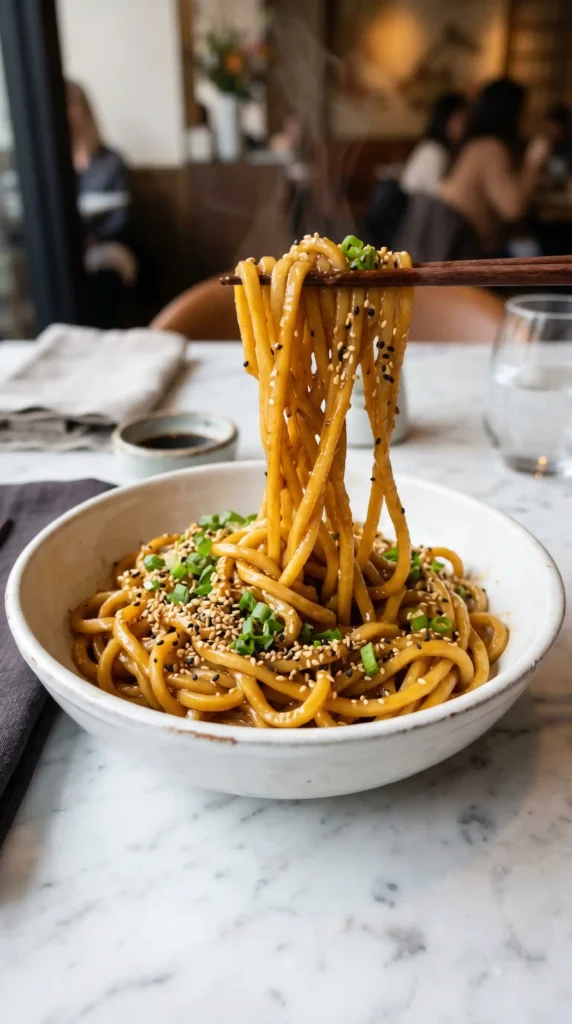
FYI — once you master the base, the variations are endless and all of them work:
- Spicy Hibachi Noodles: Add 1 teaspoon of chili garlic sauce or sriracha to the sauce mixture before cooking for a heat level that builds with every bite.
- Vegetable Hibachi Noodles: Toss in sliced mushrooms, zucchini, or bean sprouts with the aromatics before adding the noodles.
- Egg Hibachi Noodles: Push the noodles to one side of the pan, crack two eggs into the empty space, scramble them quickly, then toss them through the noodles.
- Sesame Oil Finish: Add half a teaspoon of toasted sesame oil at the very end, off the heat, for an extra layer of nutty depth.
Storing and Reheating Leftovers
Store leftover Hibachi Noodles in an airtight container in the fridge for up to 3 days. The flavor actually deepens overnight as the sauce continues to penetrate the noodles. Day-two leftovers are genuinely great — sometimes better than fresh.
Reheat in a skillet over medium heat with a small splash of water or soy sauce to loosen the sauce and prevent sticking. Avoid the microwave if you can — it heats unevenly and makes the noodles rubbery. Two minutes in a hot pan brings them back almost exactly to their original state.
FAQs About Hibachi Noodles
What type of noodles do hibachi restaurants actually use?
Most hibachi restaurants use yakisoba noodles — pre-cooked, oiled wheat noodles that stir-fry quickly on the flat-top. Some use yaki udon, which is thicker and chewier. Both are available at Asian grocery stores. For a home substitute, linguine or spaghetti works well because the shape and starch content are similar.
Can I make Hibachi Noodles without butter?
You can use a neutral oil like vegetable or avocado oil instead of butter. The noodles will still taste good, but you will lose the rich, slightly nutty flavor that butter brings to the dish. If you want a closer result without dairy, vegan butter performs well and maintains most of that richness.
How do I stop my noodles from sticking together?
The key is to rinse the cooked noodles under cold water immediately after draining and then toss them with a light coating of neutral oil. The cold rinse removes excess surface starch and the oil prevents clumping. Also make sure your pan is properly hot before the noodles go in — a cold pan causes sticking.
Can I add protein to this recipe?
Absolutely. Diced chicken thighs, shrimp, beef strips, or firm tofu all work well. Cook the protein first in the buttered pan before adding the aromatics, then set it aside and return it to the pan with the noodles and sauce. Make sure the protein is cooked through before combining everything.
What is the difference between mirin and rice vinegar in this recipe?
Mirin is a sweet Japanese rice wine that adds both sweetness and a slight fermented depth to the sauce. Rice vinegar is purely acidic with no sweetness. Both add acidity to balance the sauce, but mirin also contributes extra sweetness. If you use rice vinegar instead of mirin, add an extra half teaspoon of brown sugar to compensate.
Final Thoughts
That is everything you need to make Hibachi Noodles that actually taste like the restaurant version. The technique is simple, the ingredients are easy to find, and the whole recipe comes together in 25 minutes with one pan to wash.
The key points to remember: cook the noodles slightly underdone, pre-mix your sauce, use real butter, and keep the heat high. Those four things are what separates a great plate of hibachi noodles from an average one.
Now go make it. Your kitchen is about to smell incredible, and anyone nearby will come wandering in asking what is cooking. That part, I can guarantee.
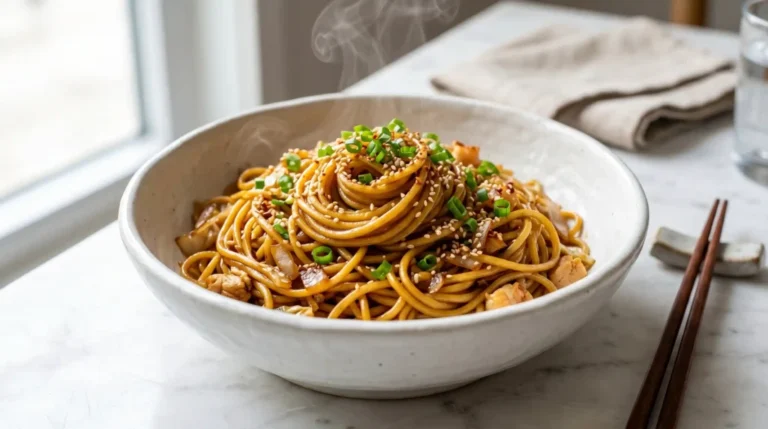
Hibachi Noodles
Ingredients
Method
- Cook the noodles according to package instructions, but pull them out one to two minutes before the recommended cook time.
- Drain the noodles immediately and rinse them under cold running water to stop the cooking process.
- Toss the drained noodles with a light drizzle of neutral oil to prevent sticking.
- In a small bowl, combine soy sauce, teriyaki sauce, brown sugar, and mirin. Whisk until the brown sugar fully dissolves.
- Taste the sauce and adjust if needed.
- Heat a large wok or skillet over medium to medium-high heat and melt the butter.
- Add the chopped onions and cook for 30 seconds to 1 minute.
- Add minced garlic and ginger, and constantly stir for 1 to 2 minutes until fragrant and soft.
- Add the drained noodles to the pan with the aromatics and toss immediately.
- Pour the pre-mixed sauce over the noodles and stir-fry for 2 to 3 minutes.
- Season with salt and pepper, adjusting to taste.
- Remove from heat and scatter sesame seeds over the noodles.
- Serve immediately while hot.