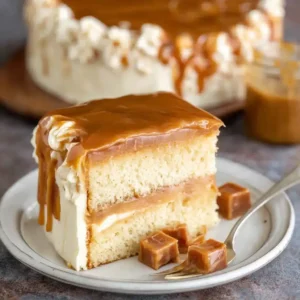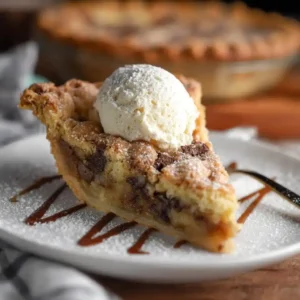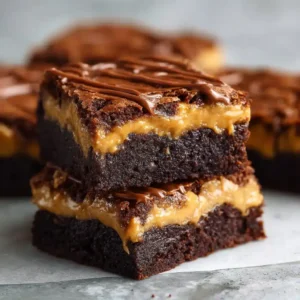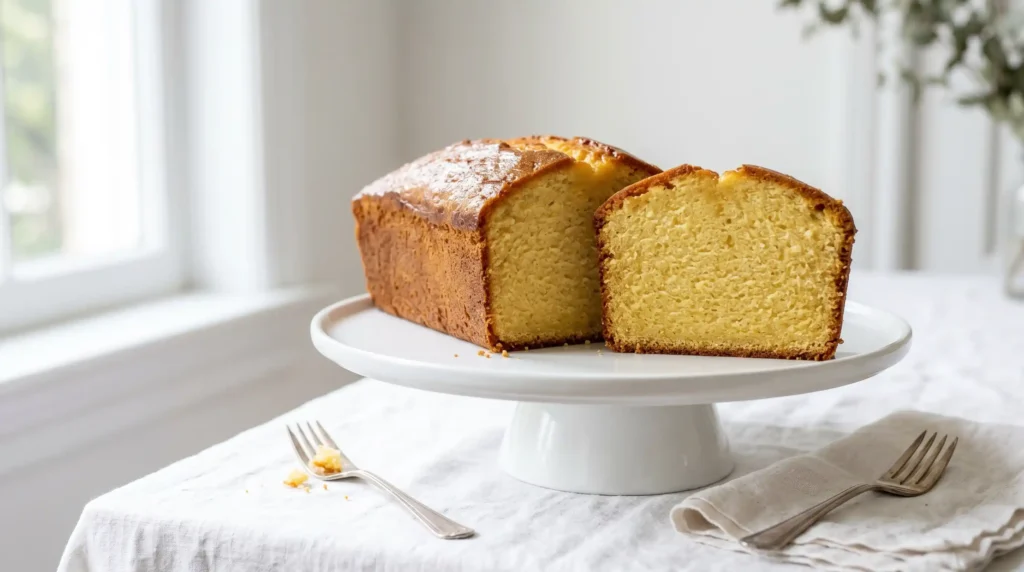
This is the Million Dollar Pound Cake. Dense, buttery, golden, and unapologetically rich. The kind of cake that makes people stop mid-bite and ask, “Wait. Did you make this from scratch?” And yes, you absolutely did.
The name isn’t just marketing fluff. This cake earns it. The texture is velvety-tight, the crumb is impossibly moist, and that butter flavor? It tastes like someone melted actual money into the batter. IMO, no other classic pound cake recipe even comes close.
I first made this on a rainy Sunday when I had four sticks of butter, zero plans, and a deep need for something that felt like a warm hug. It was love at first slice. So let’s walk through everything — ingredients, the step-by-step process, pro tips, and the most common questions people ask. Ready? Let’s go.
What Actually Makes This Cake “Million Dollar”?
Great question. The original pound cake — flour, butter, eggs, sugar, one pound each — has been around for centuries. So what makes the Million Dollar Pound Cake different?
It comes down to three things: butter quality, the ratio of eggs to flour, and patience. This recipe uses a full pound of butter (yes, four sticks), six eggs, and a slow low oven. The result is a cake with a thick, lightly crispy crust on the outside and a fine, dense crumb on the inside.
The optional almond extract is a quiet secret weapon. It adds a background warmth that makes people go, “What is that? I can’t put my finger on it.” That’s the magic. You don’t taste almond exactly — you just taste something undeniably good.
“A great pound cake needs no glaze, no frosting, and no apology. It stands entirely on its own.”
Ingredients — Full List with Quantities
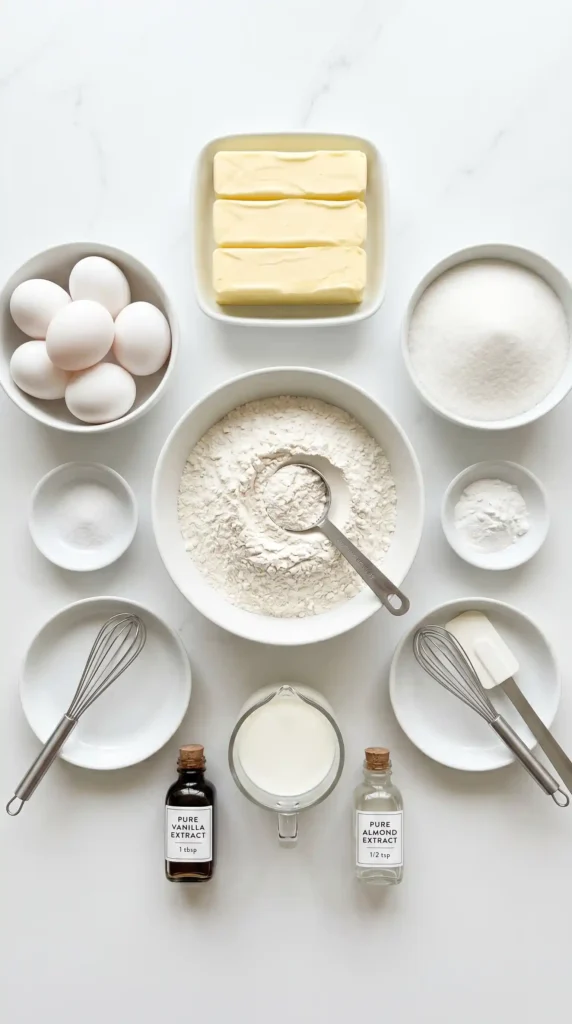
Before we start, gather everything and let it all come to room temperature. Cold butter and cold eggs are the enemy of a smooth batter. You’ll thank me later.
What You Need (Serves 12–16)
- 1 pound (4 sticks / 450g) unsalted butter, softened
- 3 cups (600g) granulated white sugar
- 6 large eggs, room temperature
- 4 cups (480g) all-purpose flour
- 3/4 cup (180ml) whole milk, room temperature
- 1 tsp (5ml) pure vanilla extract
- 1 tsp (5ml) almond extract (optional but recommended)
No baking powder. No baking soda. No leavening agents at all — and that is intentional. The air you beat into the butter and eggs IS the leavening in this recipe. That’s why technique matters here more than almost any other cake.
Equipment You’ll Need
You don’t need fancy gear, but a few things make a real difference. A stand mixer is your best friend here — creaming butter for five-plus minutes by hand is, well, a workout. Also grab a 10-inch tube pan or Bundt pan, a rubber spatula, and a toothpick for testing doneness.
FYI — grease and flour your pan generously. This cake is dense, and if it sticks, there is no recovering it. Butter every corner, every groove, every edge.
How to Make the Million Dollar Pound Cake — Step by Step
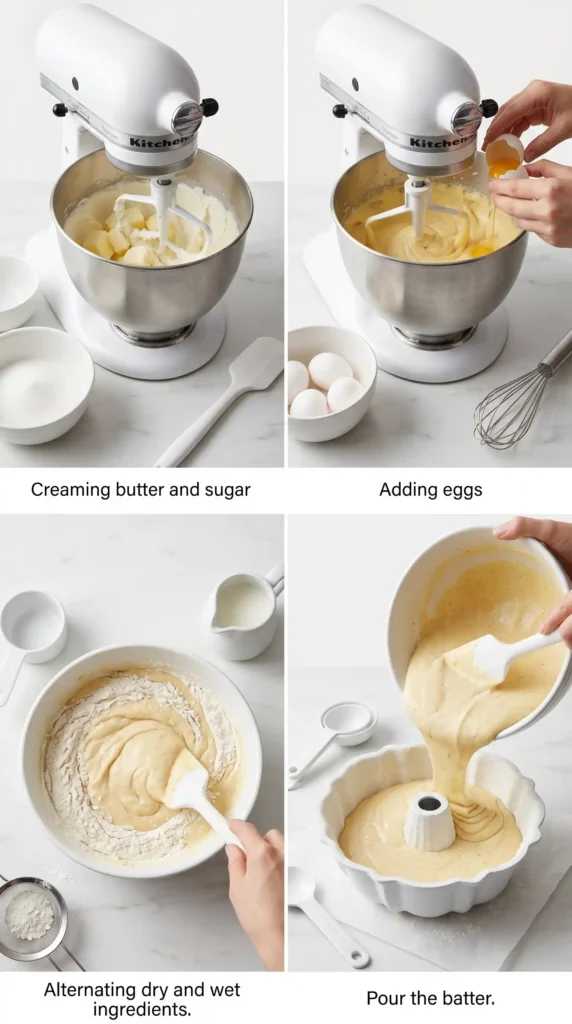
Here’s where the magic happens. Follow each step carefully, especially the creaming stage. Rushing that step is the number one reason pound cakes turn out heavy instead of beautifully dense.
Step 1: Preheat the Oven
Set your oven to 300°F (150°C) — low and slow is the pound cake way. A high oven burns the outside before the center sets. While the oven heats up, grease your tube or Bundt pan generously with softened butter, then dust with flour and tap out the excess. Don’t skip this or you’ll be crying over a stuck cake.
Step 2: Cream the Butter Until Fluffy
Place all 4 sticks of softened butter into your stand mixer bowl. Beat on medium speed for about 2 full minutes, until the butter looks pale and smooth. This matters more than people think — you’re building the base texture of the entire cake right here. Don’t rush it. If the butter still looks yellow and waxy, keep going.
Step 3: Add Sugar and Beat for 5 Minutes
Add all 3 cups of sugar gradually while the mixer runs on medium. Once all the sugar is in, crank it up to medium-high and beat for a full 5 minutes. Set a timer. The mixture should turn very light, almost white, and extremely fluffy. This is where air enters the batter — and that air is what gives this cake its structure. Underbeat here and the cake will be flat and gummy.
Step 4: Add the Eggs One at a Time
With the mixer on medium-low, add 6 eggs one at a time, letting each egg incorporate for about 30 seconds before adding the next. Crack each egg into a small bowl first — that way, no rogue shell ends up in your batter. If the batter looks a little curdled at this point, don’t panic. It will come together once the flour goes in.
Step 5: Alternate Flour and Milk
Now reduce the mixer speed to low. Add the 4 cups of flour in three additions, alternating with the 3/4 cup of milk in two additions — starting and ending with flour. The pattern is: flour, milk, flour, milk, flour. Each time you add, mix just until it disappears. Do not overmix. Overworking the flour activates gluten and makes the cake tough. Once combined, stir in the vanilla and almond extract by hand with a spatula.
Step 6: Pour and Smooth the Batter
Scrape the batter into your prepared pan using a rubber spatula. Smooth the top gently — the batter is thick, so it won’t self-level like a regular cake batter. Tap the pan firmly on the counter a couple of times to release any large air bubbles trapped underneath. Then slide it into the center rack of your preheated oven.
Step 7: Bake Low and Slow
Bake at 300°F for 1 hour 30 minutes to 1 hour 40 minutes. Do not open the oven door for the first hour — temperature fluctuations can cause the cake to sink in the center. Start checking at the 1 hour 25 minute mark. The cake is done when a toothpick inserted into the thickest part comes out clean, with no wet batter clinging to it. The top should be deep golden brown and the sides should be pulling slightly away from the pan.
Step 8: Cool Before Turning Out
Remove the cake from the oven and let it cool in the pan on a wire rack for 10 to 15 minutes. This resting time is crucial — the cake firms up as it cools, making it much easier to remove cleanly. Run a thin knife or spatula along the edges and center tube to loosen any spots that may have stuck, then invert onto the wire rack and allow to cool completely before slicing. Cutting it warm will give you a gummy, squashed slice. Be patient — it’s worth it.
Pro Tips for a Perfect Bake Every Time
Want to know why one person’s pound cake tastes like a dream and another person’s tastes like a sweet brick? These details. Every single one of them.
Room temperature everything. Butter, eggs, and milk all need to be room temp or the batter will not emulsify properly. Take them out 1–2 hours before baking.
Don’t skip the creaming time. Five full minutes of beating butter and sugar is not optional — it builds the structure of the cake. Use a timer.
Measure flour correctly. Spoon flour into the measuring cup and level off with a knife. Scooping directly packs too much flour in and makes the cake dry.
Stop mixing after flour goes in. Mix only until just combined once the flour is added. Overmixing develops gluten and gives the cake a tough, chewy crumb.
Use a real tube or Bundt pan. This amount of batter is too much for a standard loaf pan. The center tube helps heat penetrate the thick batter evenly.
This cake is better the next day. Wrap tightly and let it rest overnight. The flavors deepen and the texture becomes even more velvety. It is genuinely better on day two.
How to Serve the Million Dollar Pound Cake
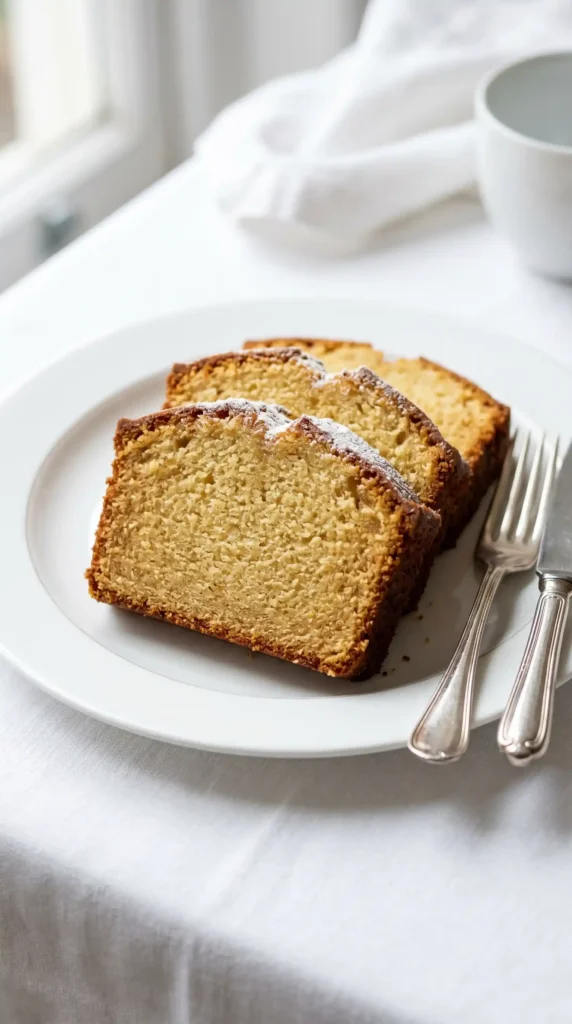
This cake doesn’t need much. The flavor is already rich and complex. But if you want to dress it up, here are the best options — tested and approved.
Fresh strawberries + whipped creamPowdered sugar dustingVanilla glaze drizzleSliced peaches + creamLemon glazeWarm with vanilla ice cream
Have you ever tried a thick slice of pound cake toasted in a skillet with a pat of butter? Because if not, you are truly missing out. The outside caramelizes, the inside gets warm and soft, and suddenly Tuesday feels like a celebration.
Storage and Make-Ahead Tips
The Million Dollar Pound Cake stores beautifully — arguably better than most cakes because of its high fat content.
At room temperature, wrap it tightly in plastic wrap or store in an airtight container. It keeps well for 4 to 5 days. For longer storage, wrap individual slices in plastic and freeze for up to 3 months. Thaw at room temperature for a couple of hours and it tastes freshly baked. No joke.
Want to bake ahead for a party? This cake is actually ideal for that. Make it a day before, wrap it overnight, and serve it the next day. You’ll get better flavor and cleaner slices. That’s a win-win.
Why This Recipe Actually Works — The Science (Quick Version)
No leavening agents. Six eggs. A pound of butter. Why does this cake rise at all? Because of the air you beat into the batter during the creaming stage. Those millions of tiny air bubbles expand in the oven’s heat, giving the cake lift without any chemical help.
The low oven temperature — 300°F — allows the cake to bake evenly all the way through before the outside hardens. A hotter oven would set the crust too fast, leaving the center raw. The slow bake is what gives this cake its famously even, dense crumb with no large holes or tunnels.
The whole milk adds fat and tenderness. The flour alternating with milk prevents the batter from curdling and keeps the gluten from overdeveloping. Every single step in this recipe has a reason. Respect the process and it delivers every time.
Frequently Asked Questions
Can I use salted butter instead of unsalted?
You can, but the result will be noticeably saltier. The recipe does not call for added salt, so using salted butter gives you the sodium from all four sticks. If salted butter is all you have, reduce the number of sticks to three, or use it as-is and expect a slight savory edge — which, honestly, some people prefer. Use unsalted if you want full control over the flavor.
Why did my Million Dollar Pound Cake sink in the middle?
A sunken center usually means one of three things: the batter was overmixed after the flour went in, the oven temperature was too high, or the cake was underbaked. Always use an oven thermometer — most ovens run hotter than their dial suggests. Also, resist the urge to open the oven door in the first hour. Let the heat stay steady and the cake will rise and hold.
Can I substitute the whole milk with something else?
Whole milk gives the best fat content and richness. You can substitute with 2% milk if needed — the cake will be slightly less tender but still very good. Buttermilk also works and adds a very subtle tang. Avoid skim or non-fat milk as the lower fat content affects the crumb texture. If you use a dairy-free milk, go with full-fat oat milk or coconut milk for the closest result.
How do I know the cake is fully baked?
The toothpick test is reliable — insert it into the thickest part of the cake (avoiding the center hole of the tube pan) and it should come out completely clean. Visually, the top will be deep golden brown and the sides will pull slightly from the pan. If the top is browning too fast but the center is still wet, tent loosely with aluminum foil and continue baking. Start checking at the 85-minute mark.
Can I make this cake in a loaf pan instead of a tube or Bundt pan?
This recipe yields a large amount of batter — too much for a single 9×5 loaf pan. If you want to use loaf pans, divide the batter evenly between two standard loaf pans and reduce the bake time to around 60–70 minutes. Check with a toothpick and watch the tops closely. A tube or Bundt pan is still recommended because it allows heat to reach the center of this thick batter more evenly.
Does this pound cake freeze well?
Exceptionally well. Wrap individual slices or the whole cooled cake tightly in plastic wrap, then place in a zip-lock freezer bag. It keeps in the freezer for up to three months with no quality loss. Thaw at room temperature, still wrapped, for about two hours. The texture after thawing is almost identical to fresh — this is one of those cakes that actually benefits from the process.
The Final Word
The Million Dollar Pound Cake is not a complicated recipe. But it is a precise one. Beat the butter and sugar long enough. Add the eggs slowly. Alternate the flour and milk. Bake it low. That’s it. Follow those steps and you will pull a golden, gorgeous cake out of your oven that tastes like it came from a high-end bakery.
This is the cake you bring to holidays. The one people ask for by name. The one that earns you an entirely undeserved reputation as some kind of baking genius. (You’re welcome, by the way.)
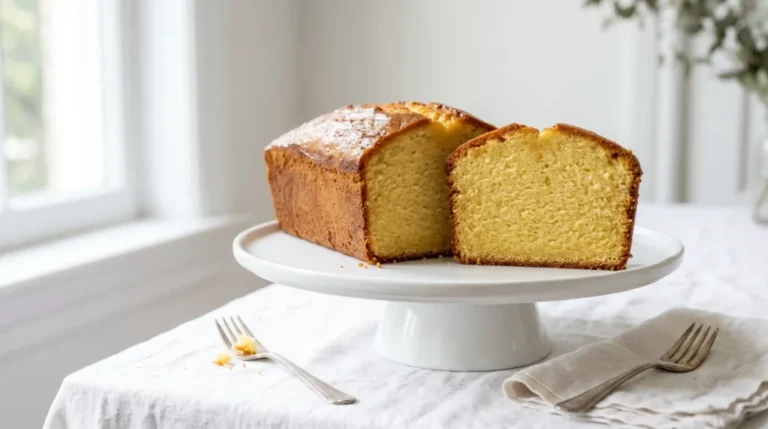
Million Dollar Pound Cake
Ingredients
Method
- Preheat the oven to 300°F (150°C) and grease a 10-inch tube or Bundt pan with softened butter, then dust with flour.
- In a stand mixer, cream the softened butter on medium speed for about 2 minutes until pale and smooth.
- Gradually add sugar while mixing on medium, then switch to medium-high speed and beat for 5 minutes until mixture is light and fluffy.
- With mixer on medium-low, add eggs one at a time, ensuring each is well incorporated before adding the next.
- Lower the mixer speed and alternate adding the flour and milk in the order: flour, milk, flour, milk, flour, mixing just until combined after each addition.
- Stir in the vanilla and almond extract using a rubber spatula.
- Pour the batter into the prepared pan, smooth the top, and tap the pan to remove air bubbles.
- Bake in the preheated oven for 1 hour and 30 minutes to 1 hour and 40 minutes, checking doneness with a toothpick after 1 hour 25 minutes.
- Cool the cake in the pan for 10 to 15 minutes before inverting it onto a wire rack to cool completely.